Wednesday, April 5, 2023

How Much Protein Is in a Cricket? What You Need To Know

It’s been said that there is nothing new under the sun, and pretty much everything that trends in our society has been a topic of discussion long before.
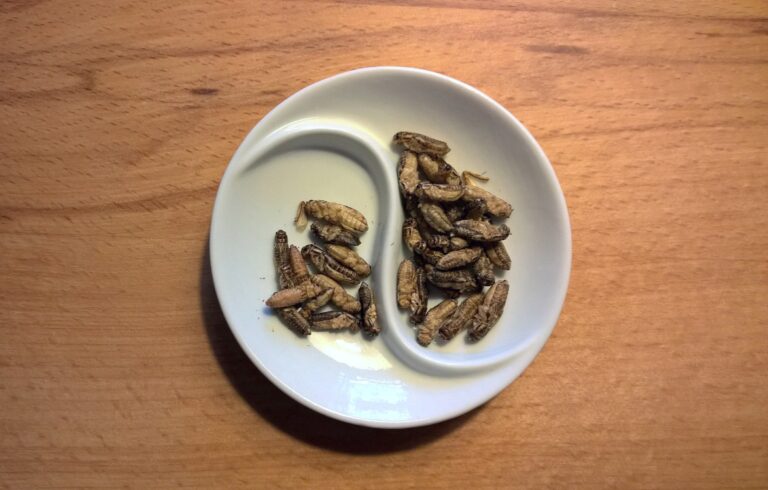
cooked insects on a plate

One of the single biggest topics concerning food sources, and supposedly helping the environment, is eating bugs and specifically eating crickets.

Proponents claim they are a tremendous source of nutrients and also much easier on the planet than other sources of animal protein.

Detractors say they are just nasty bugs with unknown health ramifications for long-term consumption.

What we need to know is how well crickets work as a survival food, and specifically how much protein they contain. So, just how much protein is in your average cricket?

Most cricket species are approximately 60% of protein by weight, meaning for every 10 grams of cricket you consume six of them will be pure protein.

This makes crickets very energy dense as far as macronutrients are concerned, and the fact that they’re found all over the world in tremendous abundance means they can be a great survival food option.

Most seasoned preppers and outdoorsmen already know that bugs are invariably on the menu when you’re in the middle of a legitimate survival situation, and to some of us it feels like the rest of the world is merely catching up with this necessity!

But if you’re new to the idea or have ever only considered crickets as a food option of uttermost dire necessity, there’s a lot more you’ll need to know before you start roasting crickets over your campfire.

Why Would Anyone Eat Crickets or other Bugs?

The most obvious question concerning the question of eating crickets is “why?” Why would anyone eat a bug, voluntarily or not? For starters, insects have actually been eaten for generations by many cultures around the world, and are still eaten today in just as many areas.

Consider too that crickets and other insects might be the only reliable source of animal protein to be had; and this could apply to you, too, if you ever find yourself in a bad situation!

And then of course there’s the simple fact of necessity. Sometimes, the only thing you might have to eat at all is a bug.

If your options are to starve or run dangerously low on energy, eating crickets is probably going to start looking pretty appealing!

Are There Benefits to Eating Crickets?

First and foremost, crickets are a great source of protein, even compared to other, larger animals like cows and pigs.

Crickets also have a good balance of essential amino acids, and vast amounts of other micronutrients that keep your body functioning properly.

Crickets themselves are especially rich in iron, calcium, magnesium, and zinc. Overall, they are highly nutritious despite their “gross out” nature in the eyes of many people.

In addition to this, crickets can be found in most parts of the world, from plains to woodlands, and even in urban environments if you look hard enough.

They also happen to be much, much easier to catch than other animals like rodents, birds, and bigger and potentially dangerous game.

So anyone looking for survival food (or an alternative to expensive store-bought proteins) should at least consider trying out some crickets.

And crickets are calorie dense: You also won’t need tons and tons of crickets to feel full, either, which means that you can easily satiate yourself with only a few handfuls. In the event of a survival experience, there are few better meals than crickets.
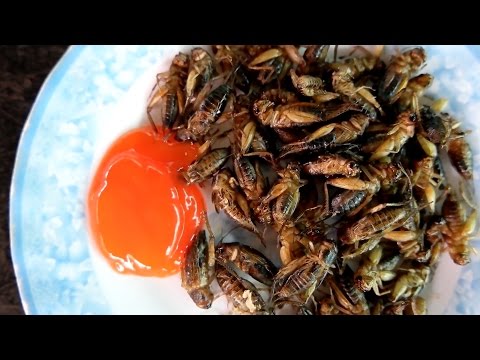
YouTube Video

Cricket Nutritional Info

As mentioned above, crickets have a surprisingly good nutritional profile of macro- and micronutrients.

The big winner is now, as always, protein, with crickets being approximately 60% protein by weight along with some fats and carbohydrates.

Levels vary with the species and individual, of course, but that is a reliable figure you can count on.

But the vitamin and mineral content is likewise impressive. Crickets are packed with abundant B vitamins, fiber, iron, calcium and other minerals such as potassium, magnesium, zinc and copper.

With incredible nutritional value like this in one small insect, it’s not hard to see why cricket consumption has become a hot topic, and why they have long been a favorite survival staple.

What are the Downsides to Eating Crickets?

There are a few downsides to consider, which mostly revolve around the fact that crickets can carry parasites and other pathogens.

This is why it’s important to always cook your crickets thoroughly before eating them: not just for taste but also for safety.

Additionally, if you do plan on eating them as a regular part of your diet, you should get in the habit of eating them with some sort of plant material or something else high in fiber so that those proteins and minerals don’t make digestion too difficult on your body.

YouTube Video

How Do Crickets Taste?

That depends on whether or not they are cooked. Cooked, crickets are said to taste something like an oily tree nut, variously described as cashews or almond-like depending on who you are talking to.

Raw, well… raw they taste gross. They are crunchy, splintery, gritty, and overall pretty nasty. Not recommended!

It’s somewhat comforting to know that crickets can also take to seasoning and being used as an ingredient for dishes like cricket pasta, cricket tacos, and more.

A few extra ingredients might make all the difference in the experience for you!

Is it Safe to Eat Cooked Crickets?

Yes, and this is the very best way you can eat them. Cooked crickets are tasty and relatively easy to digest, and they also taste much better than raw.

Some good ways to cook crickets include roasting or pan-frying them in a skillet or baking them. The actual cooking process doesn’t take long so make sure not to overcook them!

Is it Safe to Eat Raw Crickets?

It is risky: crickets can carry parasites and germs, and they are only killed by cooking or, in some cases freezing.

That said, raw crickets are not otherwise harmful, so they can be eaten raw in an emergency. However, your risk of getting sick will be much higher! Only eat them raw if you have no other choice.

Is it Safe to Eat Live Crickets?!

As safe as eating them raw- that is to say “risky.” And, though it isn’t necessarily any more dangerous, eating a thrashing, live cricket is certainly going to take a mental toll on most people!

Are There Any Toxic Crickets to Worry About?

No, not true crickets, though some lookalike bugs might be toxic. This is why it is so important to do your research and make sure you can positively identify any given cricket species in the area where you live or might be forced to survive.

The good news is that most cricket species are quite easy to identify, and no matter where they are found you’ll be able to find some that are just fine for eating. Mole crickets, for instance, are found in damp soil and gardens, and have a lot of protein.

House crickets, also known as golden Jerusalem crickets, have a sweeter flavor and creamy texture when cooked.

Field crickets are black-brown in color and native to Europe, Russia and Japan; they have a milder taste than other cricket species and are often served either boiled or deep-fried as an appetizer or snack. Lastly, cave crickets live in dark caves worldwide.

They all look a little different, but all are safe and edible…

Are There Any Special Health Risks Associated with Eating Crickets?

Not really, so long as they are cooked, but eaten raw you run the risk of disease due to possible intestinal parasites, harmful bacteria and viruses in them.

Ingesting these living organisms can cause diarrheal illnesses and fever, or worse. Some common diseases associated with eating raw crickets are toxoplasmosis, salmonellosis and E. coli infections.

Furthermore, consuming parasitic larvae or eggs contained in the cricket can result in hepatitis A, cysticercosis or even trichinosis.

Trichinosis is the most serious of these diseases, and its symptoms include nausea, vomiting, fever, and fatigue.

Additional severe medical problems such as heart and eye inflammation can also occur. It is important to thoroughly cook any cricket before consuming in order to avoid potential health risks.


via Modern Survival Online https://ift.tt/FHeVDsl

Monday, April 3, 2023

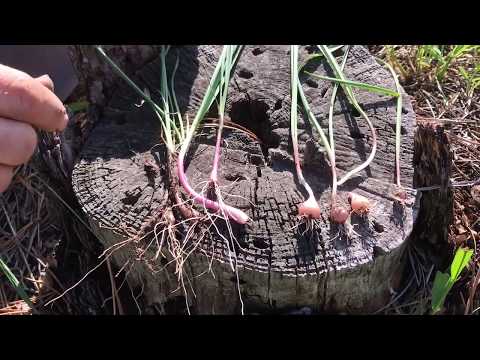
Can You Eat Raw Wild Onion to Survive? Is it Safe?

When you are in a survival situation, be it a short-term or a long-term one, you might not have much say so about what you eat. If you’re in a major hurry, lack resources or just have really bad luck, you might not even have time to cook your food.

wild onion

Some foods are better than others when eaten raw, and not all raw foods are safe to eat. Knowing which ones you can safely eat raw might make the difference between living and dying, or at the very least getting sick or not.

Let’s look at wild onions, for instance. Can you eat raw wild onions to survive?

Yes, you can eat raw wild onions safely. Wild onions have useful vitamins and minerals though they offer very little in the way of calories. Also, you must be very cautious about dangerous toxic plants that look very similar!

Wild onions are prolific plants that grow all over North America and around the world in one form or another.

They can help keep you alive, and supplement a diet of other gathered wild edibles by providing you with needed vitamins and minerals, but it’s going to be really hard to tame your appetite with them.

There’s a lot more to know about eating wild onions, raw or not, and I’ll tell you all about it below…

Do Wild Onions Taste Like Grocery-Store Onions?

This is no surprise, based on the name, but wild onions taste very much like the onions you buy in the grocery store, although depending on where they are growing they might taste very faintly of onion, or they might taste very intense, sharp and harsh compared to what you are used to.

Also, some species of wild onions might taste more like a typical clove of garlic than an onion!

In short, if you like onions you’ll like wild onions, and if you’ve been blessed with an abundance of other gathered edibles, freshly caught fish or other game animals, wild onions make a wonderful addition to your meal.

Be Careful: Dangerous Plants May Look Like Wild Onions!

Before we go any further, I must remind you that you’ll need to be extremely careful when harvesting wild onions, and any wild plant for that matter.

YouTube Video

Wild onions, though, have several dangerous, even lethal, look-alikes found in various regions. Some of these look-alikes appear so similar that even if you look at them side by side, it would make you blanch!

One of the most infamous is the death camas, a small plant that has long been the bane of farmers since it is easy for this plant to wind up in harvested livestock feed, and even animals mix them up when grazing or foraging on onions and often wind up dead because of the mistake.

The death camas produces a dangerous neurotoxic compound that directly interferes with the systems responsible for coordination, and also typically results in severe vomiting and nausea.

Significant doses result in heart arrhythmia or cardiac collapse, and subsequently death.

This is advice that every season wild forager has already heard over and over again, but it bears repeating for emphasis: never, ever eat any wild plant you have not positively identified, and if you are in doubt don’t eat it!

Can You Eat Wild Onion Leaves Safely?

Yes. The leaves or greens of the wild onion plant are safe, edible and reasonably tasty if you like onions. They are often harvested and used in place of scallions, and are completely safe to eat raw.

Can You Eat Wild Onion Bulbs Safely?

Yes, you can. The bulb of the wild onion is typically very small compared to its commercially cultivated cousins, but still crisp, nutritious, tasty and totally safe to eat raw. Be advised, some of them can taste unpleasantly sharp and astringent!

Also, if you are able make it a point to at least wash off the bulb, if you can, before eating it.

Can You Eat Wild Onion Roots Safely?

Yes, you can, although the roots contain very little in the way of nutrition compared to the leaves or shoots and the bulb itself.

If you want to harvest the entire onion and eat it, you can, because no part of the plant is harmful.

Can You Eat Cooked Wild Onion to Survive?

Yes, you can, and you should generally. Even though wild onions are typically safe to eat raw, you’re almost always better off cooking them.

Although this will deplete the vitamin and mineral content somewhat, it will also kill off any harmful germs that might be present on or in the onion, and potentially saving you from getting a nasty case of food poisoning or contracting some other illness.

And even though the overall nutritional content will go down, what nutrition is there will be easier to digest, and thus more available to your body.

Wild Onion Nutritional Info

It’s difficult to draw up a conclusion on the nutrients available in wild onions because the actual content is so highly variable based on climate, conditions and the health of the plant overall.

That being said, we know that wild onions, though much smaller than commercially farmed onions, are generally similar to them in terms of nutrients.

Accordingly, it’s safe to say that your average wild onion will have a decent selection of vitamins and minerals, and like most other onions, the B-complex ones will be present, plus thiamine, riboflavin, niacin, pantothenic acid, vitamin B6 and folate. Onions are also typically rich in vitamin C.

The mineral content is also fairly diverse and definitely worthwhile, with a decent shot of calcium, iron, manganese, magnesium, potassium, phosphorus and zinc. Onions, including wild onions, also contain trace amounts of fluoride.

Together, these vitamins and minerals are needed for many processes in the body, everything from the balancing of electrolytes and basic cellular function to organ health, circulatory health, bone growth and repair, and much more.

Even if you don’t like them, even if you don’t want to make a proper meal out of them, you should make it a point to eat wild onions when you can find them, especially during a long-term survival scenario.

Where Do Wild Onions Grow?

In North America, wild onions are found across much of the continent, and especially all over the eastern half of the continent.

In the United states, they are prolific in Alabama, Georgia, Florida, up and down the Eastern seaboard, throughout New England and pretty much everywhere else, including through the majority of the Midwest.

Wild onions are hardy plants that grow well in a variety of conditions, from dry, sun-soaked meadows to damp, dense forests and even marshlands.

They’re also deliberately grown in gardens as a replacement for leeks or chives, or sometimes as a replacement for typical onions entirely!

Pretty much wherever you go, there’s a better than average chance you’ll find wild onions if you look hard enough, and you probably won’t have to look very hard at all.

Any Health Issues to Worry About When Eating Wild Onion?

Yes, a few specific ones and a few nonspecific ones. First and foremost, if you’re forced to rely on wild onions predominantly in a long-term survival situation, you’re going to have problems because they are nowhere near nutritionally complete and they don’t provide very many calories…

Also, one issue applicable to all raw fruits and vegetables of any kind is the presence of foodborne germs, both ones that can cause food poisoning and others that might be far worse.

Although food poisoning is rarely cause for alarm in our modern society when help is only minutes away in the form of expert care or medicine, it could take on a terrifying new light in the middle of a survival situation.

Cramping, diarrhea, vomiting, and the like can quickly deplete your body’s water and electrolyte levels, and potentially finish you off if you’re already sick or injured.

Because of this, cooking your wild onions is always a good idea if you can, or endeavor to wash them at the very least.

Lastly, onions, more than most other veggies, have a tendency to cause allergic reactions in sensitive people.

This reaction has all the hallmarks of other food allergies, including swelling, itching, sweating, impaired vision, rapid breathing, and potentially even anaphylactic shock.

There is no way to know unless you get tested, have prior experience handling or eating wild onions, or just roll the dice and then experience the reaction. The point is, it’s best to know ahead of time!

None of this should put you off of eating wild onions so long as you have positively identified them, though.

In the end, wild onions are one of the most common and safe edibles you can find, especially if you’re going to eat them raw.


via Modern Survival Online https://ift.tt/lRIBfWc

Sunday, April 2, 2023

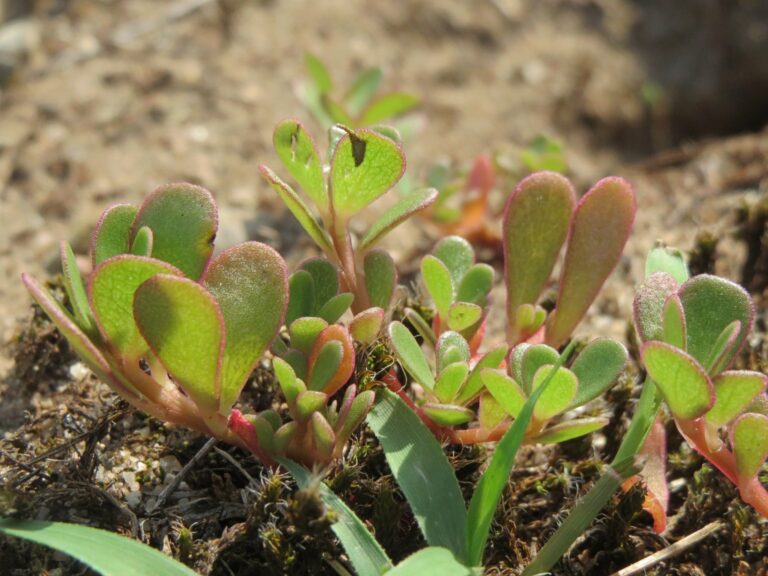
Can You Eat Raw Purslane to Survive? Is it Safe?

One of the most fundamental skills that any prepper can possess in a survival situation is knowing how to forage for food.

purslane portulaca oleracea

Nature can provide us with all sorts of nutritious things to eat if we know where to look, know how to harvest them and know how to prepare them.

But not everything is edible, and not everything is edible and not everything is edible in its raw form.

You’ll need to know what’s what before you dig in unless you want to make your situation even worse.

Today we are looking at purslane. Is it safe to eat purslane raw in order to survive?

Yes, purslane is completely safe to eat when raw, and it’s also highly nutritious. This makes it an excellent survival vegetable if you can find it and harvest it, but you must watch out for dangerously toxic look-alike plants.

Most of the time, purslane is considered a nuisance plant because it has a tendency to act like a weed, crowding out and killing other low-growing vegetation.

This makes it a constant target of gardeners and groundskeepers, but purslane actually has a secret life as a super nutritious vegetable that you’d be wise to incorporate into your diet and utilize as a survival food.

I’ll tell you everything you need to know about eating purslane, raw or not, below…

Be Careful: Some Toxic Plants Look Similar to Purslane!

As with most wild edible plants, the prepared survivor must have a working knowledge of look-alike plants.

Accidentally coming into contact with or, worse, eating a toxic impostor could make your situation a whole lot worse, or even spell death outright.

YouTube Video

In the case of our purslane here, one of the most plentiful and also the most dangerous toxic imposters is spurge, specifically prostrate spurge.

It’s another low-growing plant that looks very much like the delicious and nutritious purslane that we want to collect and eat. But that’s where the similarities end…

Prostrate spurge contains and secretes a sticky, white or off-white sap that causes dreadful inflammation on skin, and is especially damaging to mucous membranes and other soft tissues.

If you are lucky, you’ll walk away from a close encounter with this plant with nothing more than a serious rash, but if you get it in your eyes you might suffer from temporary blindness.

Suffice it to say, if you actually eat it, you are going to be in for a very bad time, and it isn’t out of the question that your throat could swell closed or even block your airway.

Accordingly, it is imperative that you learn to positively identify purslane if it’s something you’re going to rely on out in the wild, especially if it is common in your region.

Mistaking at purslane for the highly similar prostrate spurge might be the last mistake you make during your ordeal.

Does Purslane Taste Good?

Purslane is one plant that most people have never tried, although it is still a common inclusion in many dishes in other cultures around the world.

To tell you the truth, purslane has a slightly unusual taste for a leafy vegetable.

Those that tried often describe it as bitter, tangy, peppery and sometimes salty, and depending on what plants it grows near and the environment, it might have subtle citrus notes.

Most folks that I have talked to that have tried it for the first time say it compares somewhat favorably with arugula.

That being said, it is a popular vegetable in all of these cultures for a reason, and after you try it you’ll probably like it, making it an even better bet as a survival food since you won’t have to hold your nose to choke it down!

YouTube Video

Are Purslane Roots Safe to Eat?

Yes. Purslane roots are safe to eat and no part of the plant is toxic or harmful. Raw or cooked, you can eat the roots, though they aren’t the most nutritious part of the plant.

Are Purslane Leaves Safe to Eat?

Yes, they are, and this is the real prize as far as our efforts are concerned. The leaves are the tastiest and the most nutritious part of the plant, and so long as they are fresh and healthy you’ll find them moist, crisp and highly edible.

They can be eaten raw or cooked at your preference, though they are better by far raw.

Are Purslane Stalks and Stems Safe to Eat?

Yes, they sure are. The stems and stalks of purslane are tender and delicate compared to many other plants, and they are edible right along with the leaves.

Can You Eat Cooked Purslane to Survive?

You can, but this isn’t necessary: Purslane is already so tender and crisp that it does not require cooking, and cooking will only serve to reduce the nutritional content, anyway…

However, purslane is prepared in all sorts of toppings and dishes around the world, so you definitely can cook with it and cooking does have one major advantage in that it will kill off any harmful germs that might be in or on the plant. More on that in a minute.

YouTube Video

Purslane Nutritional Info

Purslane is highly nutritious, and even has a meaningful amount of macronutrients in the form of protein and carbs.

The vitamin profile is very good, and purslane has tons of vitamin C and vitamin E along with respectable amounts of the B-complex vitamins, particularly thiamine, riboflavin, niacin, pantothenic acid, B6 and folate. Notably, you only get trace amounts of vitamin A and vitamin K…

The mineral profile of purslane is really quite remarkable. This leafy plant will provide you with iron, calcium, manganese, magnesium, potassium and small amounts of zinc and phosphorus.

All told, this is a really remarkable nutritional profile for any vegetable, to say nothing of one that is usually derided and persecuted as a common weed!

Together, all of these nutrients can help give you energy, regulate cellular function, improve electrolyte balance, tissue healing, blood oxygenation and more.

It isn’t nutritionally complete, but very few vegetables are, and you’ll be hard-pressed to do better concerning wild edibles then you can with purslane.

Where Does Purslane Grow?

Today, purslane is found all over the world, and it has been spread by human trade, exploration, travel and other activities for a very long time.

However, it’s thought to be present in North America only in isolated pockets. That being said, if you were anywhere else around the globe, including Europe, Asia and Africa, you’ll find purslane for sure.

Also, keep in mind that purslane is routinely spread by hitching a ride on other plants, and in soil that has been “contaminated” by it.

As such, you’re just as likely to find it popping up unexpectedly in gardens, in landscaping, and even on farms.

Like I mentioned above, many gardeners, groundskeepers and farmers simply think of this nutritious plant as a highly invasive weed, and in that context I guess it is, but that shouldn’t stop you from looking for in these places and harvesting it if you can.

Any Health Issues to Worry About When Eating Purslane?

There are only a few minor health risks associated with eating purslane. One is a common risk shared with all raw vegetables, and wild forged vegetables in particular: the risk of a food poisoning and other foodborne illnesses.

Although this might not sound like the end of the world considering you aren’t worried about eating a toxic plant here, keep in mind that food poisoning might be enough to finish you off if you’re already in the middle of a survival situation.

Pronounced dehydration from vomiting and diarrhea could compromise an already stressed body! Cooking thoroughly, as always, will kill the germs associated with food poisoning.

The other risk associated with purslane is due to its high oxalic acid content.

Although not a problem for everyone, and not necessarily a problem at all unless you’re eating an awful lot of, high dietary levels of oxalic acid are known to cause the formation of kidney stones, or increase the size of existing stones.

If you’re already highly prone to this agonizing condition, think twice before eating too much purslane if you can avoid it.


via Modern Survival Online https://ift.tt/WUGQj9i

Saturday, April 1, 2023

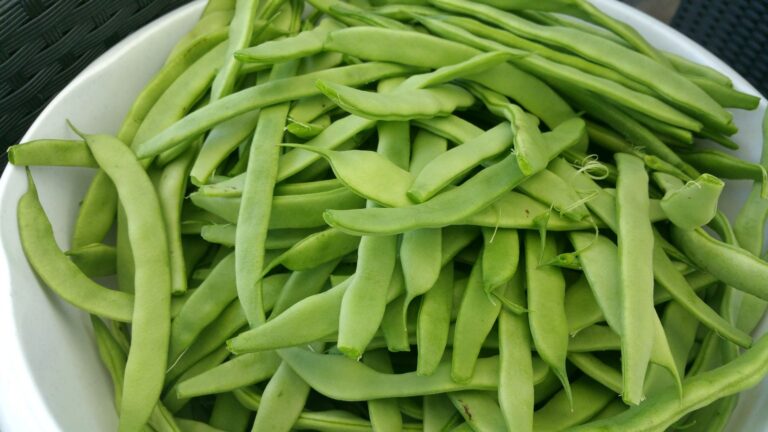
Can You Eat Green Beans Raw to Survive? Is it Safe?

One of the factors that some preppers fail to account for when planning for a legitimate survival situation is just how little choice you will have in the proceedings, at least much of the time.

green beans

Necessity will ultimately make many of your decisions for you, and in the case of water to drink and food to eat, sometimes what you have will be the only thing you’ll have.

It might not be clean enough to your liking, it might not be varied enough, and in the case of food it might not even be cooked!

Some foods are safe to eat when raw, but others aren’t. How about green beans? Can you eat raw green beans to survive?

Yes, raw green beans are safe to eat in a survival situation and they are still nutritious. However, raw green beans have lectins which can cause diarrhea, significant digestive upset and vomiting in high quantities.

For this reason, you should only eat raw green beans in limited quantities if you can…

If you have a limited food supply you can do a lot worse than eating raw green beans. In a pinch, when you have no time or opportunity to cook your food, they are generally safe and a good choice.

However, like most beans the lectins they contain can make you seriously ill if you overindulge.

I’ll tell you everything you need to know about eating raw green beans in a survival situation below.

I Thought Eating Raw Beans was a Bad Idea?

Generally they are, but raw green beans are a broadly safe choice, like many raw vegetables, and they are still quite nutritious and even surprisingly tasty.

They contain many vitamins and minerals that the body needs, and are reasonably easy to digest even when raw.

Lectins are present, but not in levels typical of other beans. More on that in just a bit…

Can You Eat Cooked Green Beans to Survive?

Yes, you can, and if you have any choice cooking your green beans should be the way to go.

Although cooked green beans lose vitamins and minerals in the cooking process, the ones that remain are more easily digested and absorbed by your body, making them more valuable overall.

Also, perhaps more importantly, cooking green beans will deactivate the lectin proteins that can cause such problems in your digestive tract.

As mentioned above, lectins can make you very sick, and in high doses can potentially be fatal although this is quite rare as far as green beans are concerned.

Green Beans Nutritional Info

Green beans are a famously nutritious vegetable, and are nearly considered a staple in many households.

Green beans have a lot to offer, including macronutrients like protein, and plenty of vitamins and minerals.

Looking at the vitamin content there is a lot to like, with plenty of vitamin A, vitamin C and vitamin K, and also a great assortment of the B complex vitamins including thiamine, riboflavin, niacin, pantothenic acid, vitamin B6, and folate.

The mineral content is also good, with green beans having tons of manganese and iron, good amounts of magnesium and phosphorus with lesser but still useful amounts of zinc, potassium, and calcium.

Together, these nutrients can improve everything from basic cellular function and metabolism to the balancing of electrolytes, healing, muscle growth and repair, and more.

There is a reason green beans are such a popular veggie when it comes to healthy eating!

Are Green Bean Skins Safe to Eat?

Yes, the skin of the green bean is safe to eat and nutritious. Note that when I refer to the “skin” of a green “bean” I’m referring specifically to the outer hull of the whole bean pod, and not the skin of the beans themselves though these are also safe- it’s a moot point!

However, there is something to be said for removing this outer skin in order to help cleanse the edible parts of the pod from any contaminants that might be present, especially if you’re going to be eating them raw and it might not even have the opportunity to wash them.

We’ll talk more about that in a little while…

Are Green Bean Seeds Safe to Eat?

Yes, they are. The seeds of a green bean are actually the immature beans themselves, and they are completely safe and edible in this form whether or not they are extracted from the pod.

Usually the pod is eaten with the beans, or “seeds,” but it is possible to extract the beans and eat them alone if you want to.

Are Green Beans Roots Safe to Eat?

Yes. The roots of the green bean plant are safe to eat, raw or cooked, but the roots aren’t something you should seek out unless you’re truly desperate for calories or nutrients.

They don’t have much to offer and they don’t taste very good even when cooked, to say nothing of raw…

If you are going to eat the roots of the plant, do your best to wash them off thoroughly first.

Can You Eat Green Beans Leaves and Stalks?

Yes, the leaves, stalks and stems of the green bean plant are all safe to eat whether or not they are raw or cooked.

Note that the stems and stalks are likely to be tough and chewy when raw, but they are still safely edible and nutritious.

Special mention should be made about the leaves, however, as they can be used in all the same way as any other salad green.

There are packed with vitamins and minerals, and have antioxidants and other beneficial compounds that can boost health above and beyond what the actual green beans can do themselves.

If you’re gathering green beans to eat raw, make sure you grab the leaves also.

But, if there is any way for you to wash them you should do so: more than most other parts of the plant, it is the leaves that are likely to have harmful contamination in the form of germs or other things from the environment.

Where Do Green Beans Grow?

Green beans can be found growing wild throughout North, Central and South America and they have been exported as crops worldwide and are among the most popular vegetables to be found.

Any area that has a long growing season and has a temperate to mild climate most of the year is ideal country for green beans to grow and you can expect to find them if you know where to look.

As long as they’re in season and are protected from a hard, deep freeze you’ll find green beans growing tall, as vines, and as smaller, shrub-like plants anywhere throughout their range.

One thing to keep in mind is that your conception of green beans might lead you to miss them in the wild…

They aren’t always green, and can be found in all sorts of hues and colors ranging from speckled orange and tan (almost like a creamsicle) to purple, yellow and every shade of green you can imagine- light and dark.

Accordingly, keep your eyes peeled if you are foraging for them or you might miss them if you are looking for greenery exclusively!

Any Health Issues to Worry About When Eating Raw Green Beans?

Yes. The single biggest concern when eating raw green beans is one that is shared with all sorts of other beans, and that is the presence of lectins.

Lectins are a type of protein that won’t be properly digested, and can cause significant digestive distress.

Smaller doses will manifest as nausea, indigestion and diarrhea, but larger doses will cause vomiting, significant abdominal pain and potentially even death!

Also as mentioned, lectins are present in all beans in varying amounts, and green beans don’t contain very much compared to something like kidney beans, but this must still be accounted for.

Luckily, giving green beans a long soak and then thoroughly boiling them will neutralize these proteins entirely, and even if you eat a few of them raw you shouldn’t experience any ill effects.

Something else to keep in mind is another hazard that is shared with pretty much every other raw veggie, and that’s the possibility of foodborne illness.

Even green beans growing in the most pristine and natural environment might harbor bacteria, viruses, and other microscopic life that can make you terribly ill.

Fever, diarrhea, vomiting and flu-like symptoms are the rule, though some of them can be way worse and even cause death.

You’re always advised to cook your green beans thoroughly prior to eating them, but if you can’t, at least try to wash them off or rinse them before eating them raw and you can help minimize your risks.


via Modern Survival Online https://ift.tt/kHNaqJA

Friday, March 31, 2023

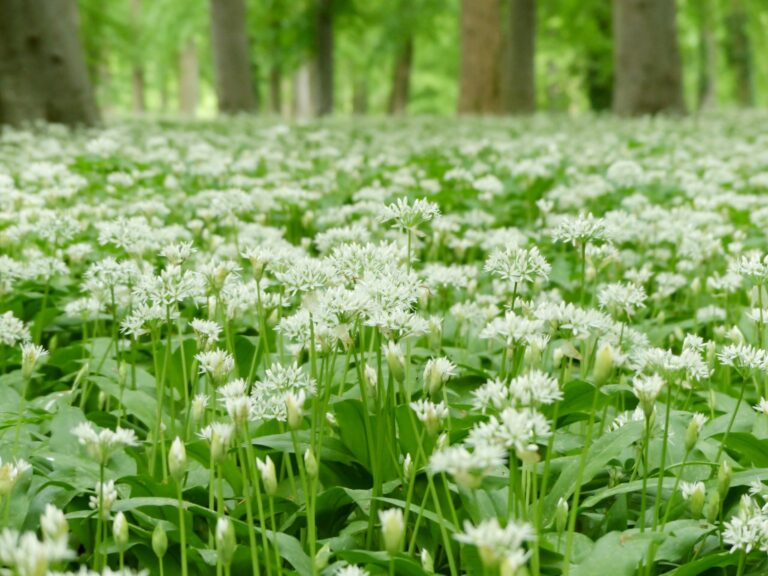
Can You Eat Raw Wild Garlic to Survive? Is it Safe?

When you’re in a real survival situation, your best-laid plans might come to nothing. You might run out of food, lose your food supply or just be forced to eat things that you wouldn’t normally eat. You might not even be able to cook your food!

wild onion

People can eat a lot of things raw, but not everything, and eating certain things raw or eating too much of them might cause new problems.

Let’s look at wild garlic, for instance. Can you safely eat raw wild garlic to survive?

Yes, wild garlic is safe to eat raw. Wild garlic is reasonably tasty, fairly nutritious and quite common in the wilderness. This makes it a valuable survival edible but you must take care to not confuse it with several toxic look-alikes.

Wild garlic is a well-known veggie among outdoorsmen, survivalists, and other folks that spend a lot of time in deep country, but it also has a dedicated following among urban and suburban gardeners who use it in the same way that you would grocery store garlic, but appreciate its milder flavor.

It definitely has a place in your survival food plan, but there’s a lot more you’ll need to know, especially as it concerns potentially deadly plants that look nearly identical. I’ll tell you everything you need to know down below.

Be Careful! Some Toxic Plants Look Similar to Wild Garlic!

We cannot go any further without talking about what is potentially the most serious issue concerning the consumption of raw, wild garlic.

There are several plants that happen to grow in places where wild garlic can be found around the world, and they have a tendency to closely resemble wild garlic at various stages of growth.

In the United States, the death camas is notorious for imitating wild onions and wild garlic, and is potentially fatal if ingested.

YouTube Video

It’s particularly a threat to animals and livestock that are allowed to graze or that eat it along with other plant matter harvested from areas that contain wild garlic or the death camas.

Long the bane of livestock keepers, it has also injured and killed human beings who mistakenly harvest it.

It should go without saying that you should never, ever touch or eat any plant you have not positively identified as safe, and it is up to you to familiarize yourself with the sometimes subtle differences between wild garlic and its potentially deadly impostors.

If you’re really in a jam and have no choice, always apply the field edibility test prior to eating.

Does Wild Garlic Taste Like Grocery-store Garlic?

Generally yes, though it is typically far milder in flavor. It still tastes like garlic, don’t get me wrong, but it is nowhere near as pungent as the varieties you can buy in the grocery store.

In fact, wild garlic might have a decidedly more onion or chive-like flavor compared to the garlic you are used to.

It isn’t offensive and it can definitely improve the flavor of other foods if you’re trying to whip up a proper dish in austere conditions.

The good news is, because it is so much milder, it’s easier to eat wild garlic raw compared to the stuff you have on your spice rack at home!

Typical garlic is so pungent it is liable to make you sick if you eat very much of it raw…

Are Wild Garlic Leaves Safe to Eat?

Yes, they are. The delicate leaves of wild garlic are completely safe to eat raw, or cooked, and can be used in much the same way as other greens or salad veggies can.

Of greater importance is the fact that the leaves of wild garlic are also quite nutritious and you should definitely harvest them along with the bulb which is usually considered the prize.

Are Wild Garlic Flowers Safe to Eat?

Yes. The small, delicate flowers of wild garlic are rarely considered particularly beautiful compared to other wildflowers.

But, they’re totally edible and can be added to other greens to make a salad when you’re in a survival situation, and they also contain a few vitamins and minerals.

Are Wild Garlic Roots Safe to Eat?

Yes, indeed they are. The roots of the wild garlic plant are not particularly tasty raw or cooked, and they also don’t contain much in the way of nutrition but they are totally edible.

If food is reasonably abundant in the area, don’t hesitate to discard them but if you’re truly scratching and clawing for every, single stray calorie you can get your hands on then you can eat them along with the rest of the plant.

Can You Eat Cooked Wild Garlic to Survive?

You sure can. Cooking wild garlic is a great way to improve the flavor even further, though this comes at the cost of some vitamins and minerals that will be lost during the cooking process.

However, cooking will make what nutrients are in the garlic more accessible or bioavailable to your body, generally increasing the overall benefit.

Something else that you shouldn’t discount is the fact that cooking will serve to kill off any germs present on or in the garlic which could make you deathly ill if you eat the garlic raw.

The very last thing you need to deal with in the middle of an already dire situation is food poisoning, and some foodborne illnesses can prove to be fatal!

If you can, you should generally cook your wild garlic if you have the resources, time and opportunity to do so but you don’t need to be too afraid of eating it raw, either.

Wild Garlic Nutritional Info

Because it is not typically grown, harvested and sold commercially for human consumption there have not been too many comprehensive studies on the nutritional content of wild garlic compared to other common cultivars.

That being said, we know the overall nutritional values are pretty similar to its close cousin, wild onions, and also commercially cultivated garlic.

Wild garlic has a surprisingly good complement of vitamins and minerals alike.

Concerning the vitamins, most of the B-complex ones are here in abundance with thiamine, niacin, riboflavin, pantothenic acid, folate and B6 all being present along with lots of vitamin C, and some choline.

There’s a lot to like about the mineral content, too, with plenty of calcium and iron, phosphorus and manganese, zinc, potassium, and a somewhat lesser amount of magnesium. Wild garlic also has selenium…

Together, these vitamins and minerals will facilitate many vital processes throughout the body, everything from overall cellular health, organ function, oxygenation of the bloodstream, tissue repair and more.

But, because they’re comparatively so low in calories it’s pretty difficult to make a fortifying meal out of garlic alone, and as nutritious as it is, it’s nowhere close to nutritionally complete for humans.

That being said, it is undeniably valuable, and you should gather it and add it to your diet whenever possible during a survival situation.

Where Does Wild Garlic Grow?

Wild garlic can be found all around the globe, particularly in the northern hemisphere. Native to Europe, where it is found abundantly pretty much all over the place, it was brought to North America by settlers and has since been naturalized.

It is particularly abundant throughout New England and north of the Ohio River all the way to the Mississippi River and a little bit beyond, though it seems to have quite a foothold and the Cascadia region of the Northwest.

You can easily find wild garlic growing in its range anywhere you have moist conditions and partial shade, meaning it is especially common in forests, tree lines and other shady areas.

When conditions are ideal, it can quite literally outcompete all other vegetation growing close to the ground, and it isn’t out of the question that you might find a literal patch of wild garlic!

Any Health Issues to Worry About When Eating Wild Garlic?

There are a few health considerations on the consumption of wild garlic, and for some folks even a single bite might be problematic!

Wild garlic, like wild onions and all other allium genus plants has been known to cause allergic reactions in some sensitive individuals.

Depending on the individual in question, the symptoms could be tingling, numbness and mild discomfort all the way up to impaired breathing, swelling of the throat and airway, anaphylaxis and even death.

Obviously, this is no good, and doubly so if you’re already in the middle of a survival scenario!

The only way to know for sure if you are allergic to wild garlic is to either get tested at a doctor or to take the plunge and try it.

I believe it is in your best interest to know ahead of time one way or the other, but if you have a history of onion or garlic allergies, assume you’re already allergic.

Another consideration is one that wild garlic shares with all wild, forged foods and raw ones in particular.

Any raw food, including a vegetable like wild garlic, could harbor bacteria or viruses that can give you food poisoning or some other nasty foodborne illness.

Expect diarrhea, vomiting and nausea at the minimum which can again be devastating if you’re already sick, injured or fatigued. Even worse outcomes are not out of the question.

At the minimum, you should rinse any harvested wild garlic in fresh, clean water if you are able, and preferably cook it if that’s a possibility.


via Modern Survival Online https://ift.tt/oetmbg7

Thursday, March 30, 2023

Can You Eat Raw Honeysuckle to Survive? Is it Safe?

There are all kinds of plants serving all kinds of purposes in and around human habitation. Every once in a while, you come across a plant that is pretty divisive.

Some folks might love it for its beauty or aroma, but it might have physical characteristics that make it a nuisance to others.

Honeysuckle is one such plant, simultaneously loved for its beauty and fragrant, delicate flowers while simultaneously being hated because of its tendency to climb over every vertical surface and choke out other plants nearby.

But that’s for domestic life; we need to know whether or not we can eat honeysuckle to survive in the wilderness. So, is it safe to eat raw honeysuckle?

Yes, certain species of honeysuckle are safe to eat, even raw. However, there are many species of honeysuckle that are mildly poisonous. It’s important to thoroughly learn local and regional species if you want to make use of them as survival food.

Maybe you don’t have an opinion about honeysuckle one way or the other, except your fond childhood memories of trying a little drop of the sweet nectar.

In any case, honeysuckle is very common in most places around the country, but you just can’t eat them without any reservations since eating the wrong kind could make you seriously sick.

I’ll tell you everything you need to know about incorporating honeysuckle as a survival edible down below.

Be Careful: Some Honeysuckle Varieties are Poisonous

Okay, we need to tackle the obvious issue with depending on honeysuckle as a survival food before we do anything else.

The bottom line is that many honeysuckle species are toxic, though most are minimally poisonous.

As far as human beings are concerned, there are no known deaths that have resulted from eating toxic honeysuckle, berries, flowers or any other part of the plant, but animal deaths have indeed happened.

In any case, ingesting toxic honeysuckle is going to make you sick, likely resulting in serious digestive upset.

And identification might not be easy: most species produce those beautiful, delicate and sweet-smelling flowers and also glossy berries which are bound to look very appetizing when you’re hungry.

The trick is that these flowers and berries are produced by safe and by toxic species alike. It’s up to you to learn, and learn precisely, which species are safe and which aren’t…

For instance, the common tartarian and fly honeysuckle varieties are very toxic, and both produce delicious-looking berries.

But you can avoid the berries and still get sick off of these plants because the toxin is present in all parts.

On the other end of the spectrum, the beloved sweetberry honeysuckle produces, as the name would suggest, sweet, safe and delicious berries.

Finding one of these plants any survival situation would be a godsend because you can eat the flowers and other parts too!

And, there’s a little more good news for savvy survivors: most places around the globe only have two to three honeysuckle species that are commonly encountered.

What this means is, it isn’t too hard to figure out which ones are safe and which ones aren’t by memorizing their distinctive characteristics.

YouTube Video

Does Raw Honeysuckle Taste Good?

The honeysuckle plant usually tastes quite very grassy, or vegetal, and some have been reported to taste unpleasantly bitter even though they are safe to eat.

That being said, the safe species can be used very much like you would ordinary salad greens and eaten as is, or they can be boiled as part of a stew or even steeped to use for tea.

Also note that most of the berries grown on edible varieties of honeysuckle don’t taste very sweet.

They usually taste better than the rest of the plant, but they tend towards being tart and astringent tasting.

As previously mentioned, one notable exception is the sweetberry species which produces those delicious berries…

Is Honeysuckle Nectar Safe to Eat?

Yes, it is. It is worth mentioning that the nectar of all honeysuckle species is safe to eat.

However, you get so precious little of it from any given bloom that deriving anything in the way of actual nutrients from it is going to be a highly laborious and time-consuming task.

Are Honeysuckle Flowers Safe to Eat?

Yes, assuming they are from a non-toxic variety of honeysuckle. The blooms of the honeysuckle are safe to eat raw as they are and they are also a common ingredient in many teas and tinctures.

Are Honeysuckle Berries Safe to Eat?

Yes, once again as long as they come from a non-toxic variety of honeysuckle. In most cases, even berries from toxic plants are only mildly poisonous, though that’s no reason to eat them if you can avoid it!

YouTube Video

Assuming the berries are safe, they are safe to eat raw right off of the plant, though they tend to be tart.

A few varieties produce sweet, delicious berries that you’ll be glad to get, and the high sugar content of these varieties is great for a quick boost of energy.

Can You Eat Cooked Honeysuckle to Survive?

Yes, you can as long as it is a safe species. Cooking a honeysuckle plant will reduce the overall level of vitamins and minerals present, but it also kills off any germs that might be lurking on or in the plant, potentially preventing you from getting sick.

This is also a good time to mention that cooking a toxic species will not destroy the toxins, or destroy enough of them, to make it non-toxic and therefore it won’t make it safe to eat just because it’s cooked.

Honeysuckle Nutritional Info

There isn’t much reliable nutritional information about honeysuckles because they are not cultivated and harvested for regular human consumption.

We do know that safe species are indeed truly safe to eat like many other wild edibles, and that you can expect to get vitamins, minerals and some calories from these plants.

That might be enough to help you supplement a diet that is lacking in one or two nutrients, help fill you up and stave off hunger pangs, or provide you with calories to keep your energy levels a little bit higher.

As you might have expected, honeysuckles are nowhere close to nutritionally complete for people.

Where Does Honeysuckle Grow?

Honeysuckle, of one type or another, can be found globally and is particularly abundant throughout the northern hemisphere.

There are well over 150 varieties of honeysuckle growing in various places, though the majority is spread across Europe, North America, and much of Asia.

Further complicating matters, you can sometimes find invasive species growing right alongside indigenous species, though invasive species tend to outcompete their indigenous cousins.

Honeysuckle generally prefers temperate environments, not too hot or too cold, neither too shady nor too sunny.

Honeysuckle is truly a plant species that prefers “just right” conditions, and if you are living or traveling through any such temperate zone there’s probably going to be at least one honeysuckle species you can find.

Something else to keep in mind is that various species are also cultivated as garden or landscape plants, so it’s not uncommon to encounter them in urban and suburban areas.

Something to possibly keep in mind if you’re able to track down a sweetberry honeysuckle growing in someone’s garden during an urban survival scenario.

Any Health Issues to Worry About When Eating Honeysuckle?

The single biggest risk associated with eating honeysuckle is if you eat any part of the plant from a toxic variety.

Typically, the toxins present in these species are pretty mild, and as mentioned above, no human deaths have been reported.

Even so, it won’t take too many for you to wind up with serious abdominal pain, nausea, diarrhea, vomiting, and potentially a headache and loss of coordination.

Eating way, way too many berries or other parts of the plant could result in more serious trouble, to include death, so take it seriously.

Once again, consider this your reminder to never eat any plant, including honeysuckle, that you have not positively identified as safe to eat.

The other major thing to be aware of when eating honeysuckle raw is the same for any sort of raw plant or produce, and that’s the presence of germs.

There are all sorts of viruses, bacteria, and other gribblies that can give you food poisoning or worse.

Food poisoning might not be that bad when you were in the middle of a functioning society with help just a few minutes away, but in a survival scenario it could prove fatal.

Vomiting, diarrhea and the overall loss of electrolytes could stress your body to the breaking point when you’re already in trouble, or just prevent you from taking care of all of the many survival tasks that you must attend to under the circumstances.

If possible, try to wash any harvested honeysuckle at a minimum, and consider lightly cooking it if you can.


via Modern Survival Online https://ift.tt/d8XDAjf

Wednesday, March 29, 2023

Can You Eat Raw Corn to Survive? Is it Safe?

Every self-reliant person I know spends hour upon hour planning to accommodate the need for food in all kinds of survival situations. Yeah, you can go for weeks without food before you starve, but only a handful of days without food before you’re dangerously low on energy.

corn

But one thing that is routinely overlooked in all of these plans and preps is the fact that you might not be able to cook food even if you have it on hand.

In such a situation, knowing what is safe to eat raw might make a difference in your chances of survival. Let’s look at corn. Can you eat raw corn in a survival situation?

Yes, you can safely eat corn raw to survive. Raw, fresh corn is easy to eat, pretty tasty and offers plenty of calories, vitamins and minerals making it a good option.

Today, corn is eaten all around the globe as a true staple food source.

Nutritionally, it has a lot to offer although our overreliance on it in the modern American diet and its high level of calories in the form of carbohydrates has given it an unsavory reputation.

But, when it comes to survival, believe me, you can do a whole lot worse! I’ll tell you everything you need to know about incorporating corn into your survival diet below…

Be Careful: Dry Corn Can Break Your Teeth!

You can eat raw corn to survive, and it’s completely safe to do so, but you’d better be very cautious if you plan on eating raw, dry corn.

You can dry out just about any vegetable or grain, or any food for that matter, if you really want to but dry corn gets so hard it basically turns into stone!

YouTube Video

Now, you might be hungry, you might even be borderline starving, but if you try to wolf down some dry corn without at least softening it in water first you’re probably going to have a bunch of jagged and broken stumps where your teeth used to be.

Also, take care if you were just eating older stored kernels too: most of them might be soft and edible as they are, but if you run into a kernel that has dried out more thoroughly than the others, you’ll easily chip or break a tooth.

Can You Eat Cooked Corn to Survive?

Yes, and you should if you have the opportunity. Cooked corn will lose a significant amount of vitamins and minerals, but the nutrition present in the corn will be easier for your body to access since the corn will become more digestible. Generally, this is a good trade-off.

Also, cooking corn will ensure that harmful germs responsible for causing food poisoning and other illnesses will be killed off, increasing safety overall.

This isn’t to scare you off of eating raw corn if you’re truly in a bind and have neither the time nor the resources to cook it, but cooking is best if you can…

Corn Nutritional Info

Corn, despite being ever-present in all sorts of junk foods and snacks, is surprisingly healthy in its natural form, with a good amount of protein and plenty of carbohydrates for energy.

This is obviously important for your diet during a survival situation, but even better is the great assortment of vitamins and minerals that it contains.

Looking at the vitamins first, we see that corn has a little bit of vitamin A and a good shot of vitamin C, but the best it has on offer is most of the B-complex vitamins, including great amounts of thiamine, niacin, pantothenic acid and folate along with lesser amounts of riboflavin and vitamin B6.

The mineral content is more limited but still highly respectable and useful, with great amounts of phosphorus and magnesium along with lesser amounts of zinc potassium, manganese and iron.

Altogether, corn will provide you plenty of energy even when eaten raw and it can improve all sorts of processes throughout the body, from promoting the formation of new red blood cells and the oxygenation of the blood supply to overall cellular function, electrolyte balance, tissue healing, and more.

If you need calories and a good shot of nutrition in the middle of a survival situation, but all you have on hand is raw corn you can do a whole lot worse.

It is not nutritionally complete, but very few grains and veggies are anyway!

Are Corn Husks Safe to Eat?

Raw corn husks are safe to eat, but they sure aren’t very good. Yes, corn husks are used in various ways in various kinds of cuisine, most notably as natural wrappers for tamales, but despite this they just are not good to eat when raw.

They are very fibrous, chewy and pretty tough, and assuming you wanted to go through all that trouble they have very little to offer in the way of calories or overall nutrition.

The husks are something you should only eat raw if you are truly desperate for calories.

Are Corn Cobs Safe to Eat?

No. The corn cob, the part that grows and holds all of the kernels, is just too tough and dense to eat.

Strictly speaking, it is edible if it is boiled for a long time but it doesn’t have anything to offer you in terms of nutrition because it is mostly cellulose which is indigestible by people.

No matter how hungry you are, you can discard the cob without worry.

Are Corn Stalks Safe to Eat?

Absolutely not! The actual stalk that the corn cob grows on is way too tough and hard to be edible, and like the cob itself, it is mostly cellulose with very little else that it can provide in terms of nutrients.

Pick the ears of corn, remove the kernels and leave the stalks and cobs alone.

Are Corn Roots Safe to Eat?

Yes, the roots of the corn plant are safe to eat but not very tasty and not particularly nutritious.

They can be boiled and eaten if you want to make maximum use of all parts of the plant, but they should not be the first part that you reach for, obviously.

Where Does Corn Grow?

Today, corn can be found growing in unbelievable quantities all around the globe. It has become a staple to many populations around the world, and even those where it is not it is typically still a regular fixture at mealtime.

Though it originally was found growing wild only in Central America, today thanks to the proliferation of trade around the world and countless selective breeding programs there are a dizzying amount of corn cultivars on farms virtually everywhere.

Anywhere there is a hot, humid climate you will probably find major corn-growing operations, but it isn’t out of the question you can find it growing wild periodically, especially in its original historical range.

Because corn is nutritious, generally easy to grow, and very calorie dense it is in your best interest to factor known farms into your survival plans if you live anywhere near them.

Any Health Issues to Worry About When Eating Raw Corn?

Not really, although there are some concerns regarding long-term nutrition. Overall, corn is entirely safe to eat, even when eaten raw, so long as it is not so dry that it poses a hazard to your teeth.

Raw corn does not contain any compounds or other things that pose a health risk.

That being said, you definitely want to be aware of the fact that raw corn, like any other raw produce or cereal, might contain bacteria, viruses and other microorganisms that can cause foodborne illness.

Basic food poisoning is definitely unpleasant, but it can be a showstopper and potentially even fatal when you were already in the middle of a survival situation.

If you are dealing with illness, injury or long-term malnutrition it could be enough to finish you off. Also don’t discount that some foodborne germs can be fatal all by themselves!

Keep in mind that corn, as good as it is, is not nutritionally complete. Yes, it has lots of stuff that people do need, both vitamins and minerals, but it doesn’t have everything.

You need a varied diet in order to survive, and if you are subsisting entirely on corn you’re probably getting too little protein and too much sugar over time.

This might only be a serious concern for the most long-term survival scenarios, but it’s something you need to remember and work to avoid!


via Modern Survival Online https://ift.tt/PAvQ6bp