Wednesday, May 27, 2026

8 Prepping Mistakes That Will Cost You in an Emergency

Emergencies happen all the time and, with each disaster, more and more people turn to prepping. Despite the huge amount of survival information, people still make a lot of mistakes. Some of them are small, some of them are big, others are tiny but they can downright kill you.

Let’s see what some of the most important ones are…

xfit

#1. Not Focusing On the Fitness Aspect

Most people think bunkers, guns and a stockpile when they hear or talk about survival and preparedness, but the reality is, things are a little more complex. When something happens, you need your strength to survive. When disaster is on your tail, you need to be able to run, duck, hide, jump, fend off attackers and carry heavy equipment.

You know that feeling that you get when you buy a new piece of equipment, such as a knife or a hatchet? The investment gives you a false sense of security… Just because you have it, that doesn’t mean you’ll know when and how to use it. Remember that skills always trump gadgets and gear.

If you’re not convinced, just watch some YouTube videos of people in various critical situations and see how important it is to be in shape. See how they jump, run and fight for their lives and imagine the level of strength you’d need to have to survive if you were in their place.

If you don’t want to spend money on a gym, you can do many bodyweight exercises at home. Plus, you can invest in some cheap weights and you can even make your own weights.

#2. Not Improving Their Driving Skills

Just imagine all the reasons you’ll have to use your car in the event of a catastrophe. Your kid might be in school and need to pick him up in record time. Your home might become uninhabitable and you’ll need to bug out to some other place, maybe a relative in another state. You might need to go to the supermarket one last time for supplies.

Many of us are poor drivers when under stress or upset. Just imagine what it’ll be like when you’re under extreme pressure or panic, and you also have to watch out for hundreds or even thousands of people in the same boat as you.

What can you do to improve your skills? Drive more, of course, and you can even take some more driving lessons. There’s also this concept called defensive driving, which teaches you how to handle your car in less than ideal circumstances. The reality is, many of us have never been in an extreme situation in our lives, let alone one while driving.

Needless to say, you should also have a properly equipped car, but one other thing you should do is learn the ins and outs of your city. You never know every possible way out of your city, every way of getting home or getting to the workplace of your spouse. 

#3. Thinking That Things Will Get Better

If you’re already in a SHTF situation, with all the chaos going on, why would anyone assume things would improve? Chaos means no one knows what will happen. Chaos means things change minute after minute and the only sensitive thing to do is hope for the best but prepare for the worst.

Before things will get better, they’ might have to get worse. You just never now.

#4. Talking About It

Preppers have a bad stigma but that shouldn’t stop you from preparing. Caring for your life and the life of your family is more important than not feeling guilty just because other people say so.

Most folks are in the rat race of life, glorified consumers whose ideas are formed by watching manipulative commercials and corrupt politicians. Their view of the world is that nothing bad will ever happen and ridicule those who disagree because they feel like everything we do is a waste of time.

I’m not going to bother telling all the reasons this isn’t true. I’m also not going to give you all the comebacks you could have – let’s leave these for another article. I’m just keeping my mouth shut and I recommend you do the same.
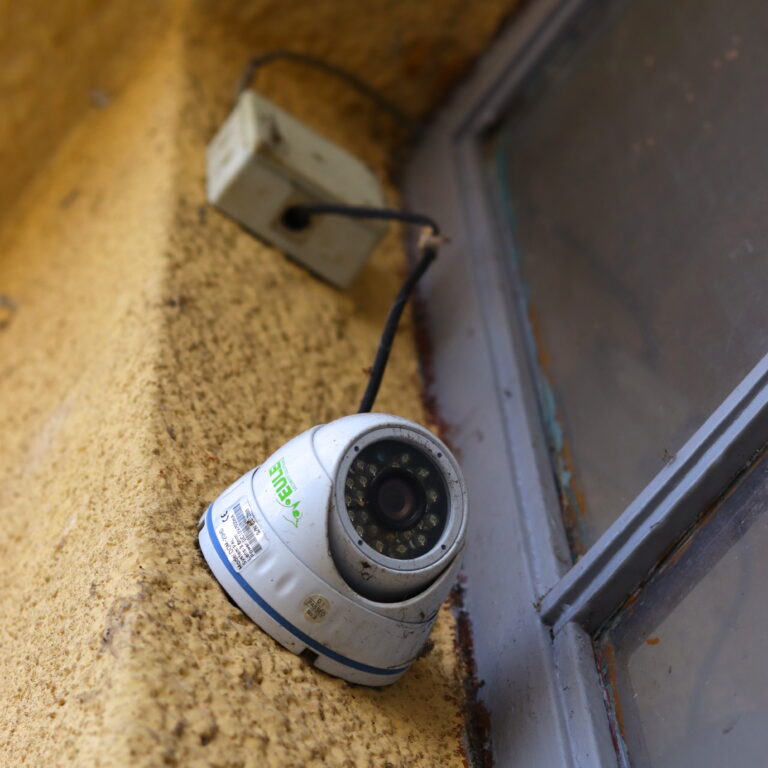
security camera mounted on exterior house wall

#5. Not Securing Their Home

You can have all the stuff you could ever need inside your house, garage and basement, but if someone decides to loot you, all of them will be gone in a heartbeat. There’s no need for a catastrophic event for someone to break into your home; things like these happen every day.

One way to protect yourself is to improve the security of your home (and there’s a ton of information on the topic). The other is to stop making the previous mistake: don’t talk about what you have and instruct your children to keep their lips sealed in school.
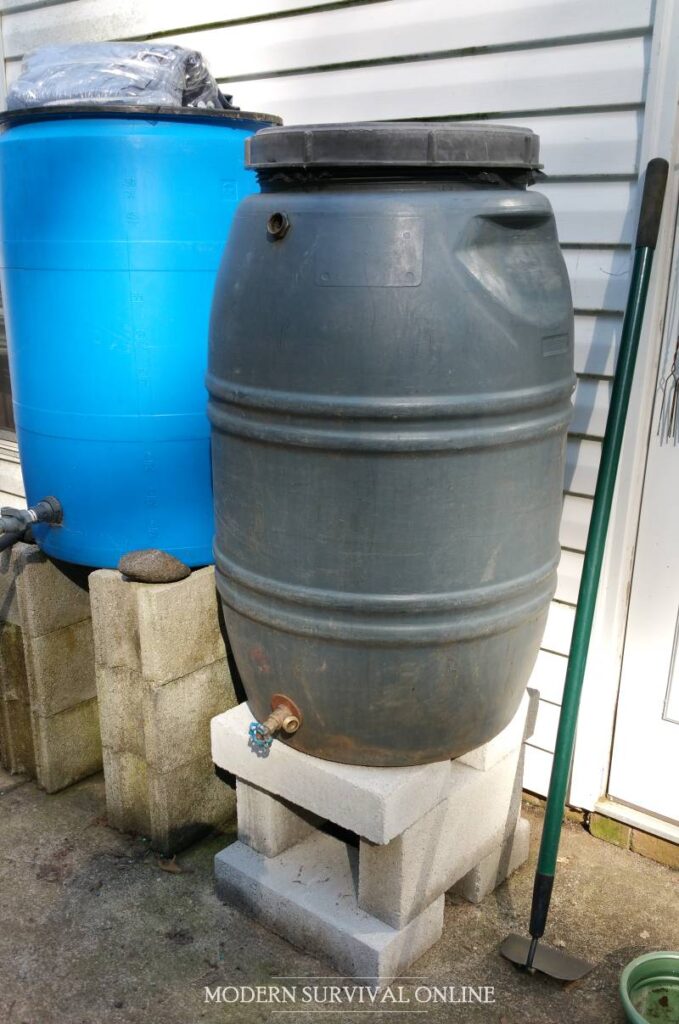
two rain barrels on cinder blocks for rainwater collection

#6. Not Stockpiling Enough Water

If you have a 1 month stockpile of food but only a few days’ worth of water, bad news: you won’t last too long. Not unless you have some way of getting it, such as from a river or a well.

Even if you do, it’s still good to have some water jugs on hand, just in case. Keep in mind water is needed for much more than just drinking: doing laundry, showering, watering your garden. Plus, if you’re sick, you’re going to need a lot more.

The next step after having an emergency reserve is to grow it, but there are other things you can do. You can install a rainwater harvesting system, you can get a water filter and even one of those plastic bags that you put inside the bath tub when you hear the water is about to run out and fill it to the brim.

#7. Not Having a Plan

I don’t know what type of disaster you’re prepping for, but you need a plan of action for if and when it happens. The more you plan, the higher your chances of survival, despite not having enough money to buy the best gear or to get land to build a survival retreat.

A good survival plan should take care of all the things that might happen, including the ones people don’t want to talk about, such as a family member or a pet dying. Consider:

  • your age
  • the number of family members
  • your location
  • your climate
  • the time of year it happens
  • the neighbor you have
  • the people in your prepper group
  • and on and on and on.

#8. Not Taking Tragic Events into Consideration

Sure, we all follow the “two is one, one is none” rule and we pack several ways to get simple tasks done (such as starting a fire or staying warm)… but how many of us will be able to cope with a pet or a family member dying? How many of us have the mental strength to snap out of it and continue to survive despite losing a loved one? What would happen if something happened to you? Do you have arrangements for your spouse or kids? Do they know what to do and where to go in this case?

These are all questions we should ask ourselves more often, and then plan accordingly.

Final Word

These are just a few common survival and preparedness mistakes but, the reality, there’s an “infinite number” of blunders you can make. The best way is to discover them is to start prepping now, make those mistakes and learn from them. The sooner the better.

prepping mistakes Pinterest

The post 8 Prepping Mistakes That Will Cost You in an Emergency appeared first on Modern Survival Online.


via Modern Survival Online https://ift.tt/P2OJj5T

Wednesday, January 14, 2026

Taking Your Bug Out Bag Out on a Hike (to Test It)

If you are a prepper, there’s a very good chance you have a bug out bag (BOB). If not, you at least know what one is. This is your lifeline if you have to bail and leave you home behind. It has all the tools you need to survive away from home.

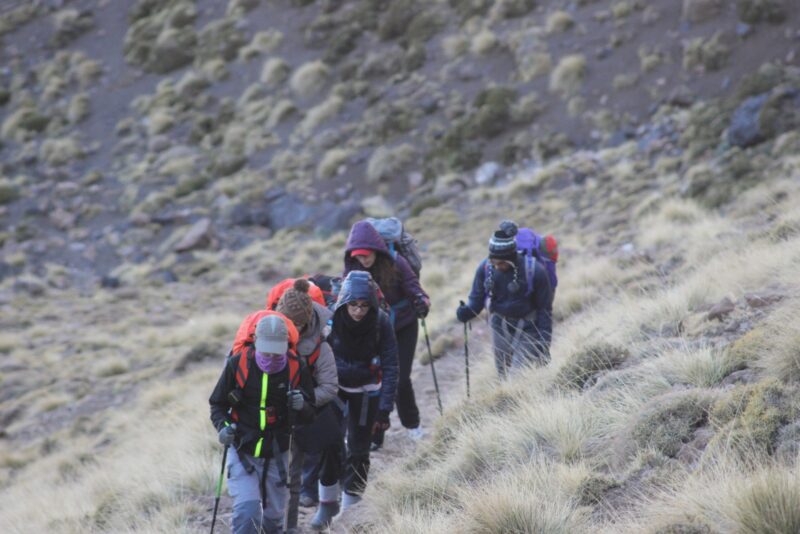
group of hikers

Many scrutinize over the items in their pack. They often take pride in finding the best gadgets to pack their bag. However, one of the biggest weaknesses of survivalists is not testing their gear or their bug out bag.

One of the best ways to accomplish this testing process is to try out your pack on a hiking trip. Hiking is essentially immersing yourself in the wilderness for an extended period of time. This is a great time to try out your gear.

If you take away the luxuries of a conventional hiking or a camping trip, you are left with survival items. Overnight hiking trips are by far your best chance to test out your pack. In this article I will cover some ways to try out your gear in a controlled and safe environment.

Safety

There are a few ways you can try out your bug out bag and still keep yourself safe. Stick to these rules to ensure you do not get in over your head.

  1. Take a friend. Never venture out to try your bug out bag alone. It is important that you have somebody with you to get help if things go wrong.
  2. Let everybody know where you are going. If people have a detailed itinerary of where you will be, it gives you the best chance of rescue in case of emergency.
  3. Pick a reasonable route. It is best that you are in the wild, but not pushing yourself to the max. You can traverse hilly terrain, but you should not be climbing mountains on this trip.
  4. Always have a way to call for help. Keep extra batteries for your phone. Stick to areas with cell phone reception. s a last resort, have other ways to signal for help.
  5. Always have a backup plan. You may want to test out your primitive fire starting skills, but you should still have a lighter. You may want to test your shelter building, but you should still have a tent or tarp. Have an easy way to get food, water, fire, and shelter in case of emergency. On these trips, my pack is 50% bug out bag and 50% backup plan.

Testing the Weight

One of the toughest aspects of compiling a bug out bag is finding a balance between thoroughness and weight. If you bring too much gear, the weight will wear you out. If you bring too little gear, survival will be difficult.

For most, roughly 30 pounds is about right. On a long hike, you will quickly find out if the weight of your pack is ideal or not.

Food

While it’s not the most important aspect of survival, food can be very important. Always take a backup supply of food with you, but plan to save it in case you cannot find other food sources.

You can try out your fishing skills with a pocket fishing kit or a pocket fisherman rod. You can try out trapping with some snares. You can try hunting with a firearm, bow, or crossbow. However, you want to have some jerky, MREs, or hardtack ready in case you need it.

One of the best ways to test your gathering skills is to collect wild edibles. You can pick up and eat various edible plants as you hike.

Do some research on the area in advance so you know which edibles are around. Then try a few out so you know what you like and what you do not like, and be really careful with poisonous plants, particularly look-alikes!

Water

Water purification is one of the most important aspects of survival. It’s vital that you take a small supply of water with you when you hike, but you also want to test your water purification tools.

Take a filter bottle, a straw style filter, and some iodine tablets with you. Place your camp near water and practice different ways to purify water. Prefilter it, filter it, boil it, or cleanse it to ensure you can create clean water when you absolutely need it. If you have to rely on your canteen, be sure to ration the water so it does not run out.

setting tallow wrapped in cotton on fire with lighter

Fire-Starting

Testing out your fire gear is always fun on a hiking trip, but never assume that fire is a given. There are plenty of times when cold or damp conditions could make it really hard for you to start one.

Always keep a lighter and matches with you as backups. Still, it’s a good idea to test other redundant fire-starting methods such as ferro rods, fire lenses, and even try your hand at the bow drill!

It is also important to practice fire safety on these trips. Clear all debris out of the area, and dig a pit for the fire. Surround it with large rocks to enclose the embers, and keep a good amount of water on hand.

Ensure there is no dead or dry material nearby that could flare up with a few sparks. When you are done with a fire pit, dump water over it and mix until the steam stops rising up. You must make sure there is no chance of the fire flaring up again.

Shelter

Building a shelter is one of the best ways to test out your bug out bag. You should have a few different ways to make a shelter with the tools in your bag. While you should have a backup like a tent or a tarp, there are plenty of other ways to build a shelter.

Emergency blankets are excellent for providing a waterproof canopy. Cordage can help you use natural materials to build other types of shelters. You can even use a poncho for an easy shelter.

This process is going to force you to use several tools in your pack. Saws or hatchets will need to be used to cut poles from the timber that is available. Your knife will be needed for finer work such as carving out notches or points and cutting cordage. You will also be testing out your knot tying skills as you assemble the shelter.

Signaling for Help

A long hike can be a good time to try out supplies you have for signaling. Send one person ahead on the trail, and have them use a signal mirror to try and get your attention. Have them use an emergency whistle to see if you can hear it.

When you set up camp, send somebody down the trail and try to signal them with smoke or with hand-made flags. These are all ways that you can make a game out of honing your signaling skills.

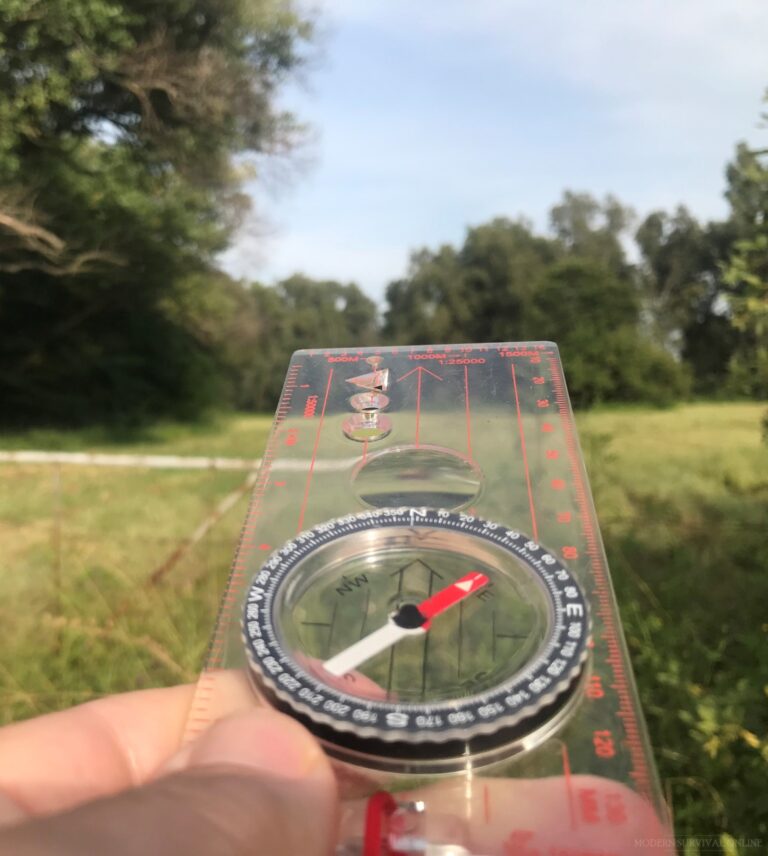
bezel orientation on a baseplate compass

Land Navigation

While you will likely be following a trail on your hike, there are still ways to try out your navigation skills. You should have a compass with you, so this is a great time to use it.

At the start of your hike, see which direction is north. Then periodically try to determine true north without the use of your compass, and then check to see if you are correct.

You can also find a place where the trail makes a hairpin turn and try to cut across off trail. You’ll have to use your compass to be sure you maintain the correct direction or you may miss the trail entirely.

First Aid

If you hike like I hike, you’re bound to get a few cuts, scrapes, and blisters. While I normally don’t treat these until I get home, you can use the gear in your pack to treat them as they happen. This allows you to test out the first aid supplies you have in your bug out bag.

Disinfect any cuts or scrapes and apply a bandage. Treat blisters and hot spots so they do not get any worse.

In Conclusion

A challenging hike can be one of the best ways to test out your bug out bag. If you think about it, bugging out on foot is nothing more than a long hike with a purpose. If forces you to use your resources to stay as safe and comfortable as possible.

By trying out the gear in your bug out bag, you become more comfortable with each item and ensure that you have the right items with you. Often you will have some changes to make once you finish your hike. Take the time to make these changes and you will be sure to have the right gear when you really need it.

bug out bag hiking Pinterest

The post Taking Your Bug Out Bag Out on a Hike (to Test It) appeared first on Modern Survival Online.


via Modern Survival Online https://ift.tt/spJDExL