Saturday, September 21, 2024

How to Prep for and Survive a Plane Crash

As we know, there are many folks out there who are scared of flying. Most of the time, they picture the worst possible things that can happen, which includes a plane crash and having to survive on open water or a deserted island.

plane crash wreckage

While it is true that statistically, cars crash more often than planes, it doesn’t mean that it can’t happen. Too often, the automatic reaction of people who are facing impending plane crash is to panic. It’s a normal human reaction when faced with critical situations…

However, when your life is at stake, you will have to fight through it. A great many people have a significant fear of flying, at least the people who will admit to it!

Whether you are one of these nervous flyers or not, you should know that the best antidote to fear is understanding, since one of the basic causes of fear is a lack of understanding about what you are dealing with.

The statistics, tips and procedures below are gleaned from the National Transportation Safety Board’s Bureau of Transportation statistics, particularly a study conducted during the first half of the second decade of the 2000s, 2012 to 2016.

YouTube Video

Airplane Crash Fast Facts

The NTSB’s Bureau of Transportation statistics really, really loves their stats and it shows! I’ll avoid bombarding you with the full an unabridged data from the study, but the following should shed some light on what you are dealing with. When they sifted the data about the American fliers, they found:

  • About 20% of Americans self identify as nervous Flyers.
  • A little over 10% self identify as being positively afraid to fly.
  • Men are less afraid of flying than women.
  • Among that 30% of Americans who are anxious about taking to the skies:
    • Six-in-ten we’re worried about flying during bad weather
    • Nearly 75% were afraid of mechanical problems while airborne.
    • A little more than 1/3 were afraid to fly at night.

That’s a not-insignificant fraction of all American citizens who are a little shy about taking off into the wild blue. Is their anxiety justified? The Bureau of Transportation statistics also discovered the following:

  • On any average day in America nearly 3 million people take to the skies in more than 35,000 commercial flights.
  • Among these flights conducted by major airline carriers, An average person only has a one in 20 million chance of being involved in a crash that results in a fatality. Someone else’s fatality; not necessarily their own!
  • An average passenger has a more than one in 3 billion chance of actually dying on any given flight during a plane crash.
  • The overall survival rate of all crashes is about 95%.
  • Among serious crashes, described as the aircraft suffering major structural damage and the occurrence of fire, the survival rate is 75%.
  • During the course of the study, there were 140 aircraft accidents tallied; of those 140 accidents only two involved in any fatalities of passengers or crew at all.

It should be obvious to even a layman that flying is incredibly safe according to the statistics, and so long as you aren’t taking a rattletrap Pakistani puddle-jumper for a cutthroat rate you should not have anything to worry about.

Even if the plane should crash or experience an accident, your chances of dying are extremely low. How low?

Let’s compare the yearly deaths from flying on a major airline against other types of transit. These figures are taken from a 2017 study and subsequent analysis:

  • There were 0 deaths attributed to any commercial airline flight.
  • Over 37,000 deaths occurred on America’s highways (all ground vehicles).
  • Over 750 deaths where are attributed to train travel.
  • Over 694 deaths were attributed to boats or other waterborne vehicles.

So there you have it. I trust it is obvious to you now that flying is one of the very safest forms of travel by any type of vehicle in the United States and pretty much in all the world.

The chances that you will be involved in any kind of aircraft related accident are astronomically low, and the chance that you will be involved in one serious enough to result in fatalities are hilariously remote. Nonetheless, it pays to be prepared and that is what this website and indeed this article are all about.

Also there is one more statistic that the NTSB cooked up that should give you pause for thought: Out of all the fatalities that occur as a result of aircraft crashes, about 40% of those deaths take place in crashes that are considered survivable by passengers and crew.

That means something goes wrong or someone screws up in the aftermath and that is the situation that leads directly to their death, not death resulting from any immediate trauma as an effect of the crash.

So we know that while the chances of being involved in an aircraft accident are extremely small, they are not impossible, and should they occur it is your actions that take place after the crash that might be the most important.

And the subsequent sections we will give you procedures, tips and advice for surviving the crash itself as well as the chaotic and dangerous aftermath.

How to Prepare

Being prepared for the event of a plane crash is half the battle of surviving one. Knowing what to do and with your awareness, you can make fast work of following the safety guidelines, exit the airplane and help others if they need it. Here are a few tips that can help you prepare…

The Back of the Plane Isn’t Necessarily the Safest

You have almost certainly heard are the standard advice for surviving a plane crash: sit at the back! The idea that has long been popularized is that my sitting at the back of the plane you will have a much larger, impact-absorbing “crumple zone” ahead of you in the form of the plane’s fuselage and other structural components.

Who wants to be sitting at the very front in first class since they will be the first to get squashed, right?

Well, while it does make a certain amount of sense to the uninitiated this is what I call a “great wrong answer”: it seems logical, but it doesn’t make sense when you consider the totality of the circumstances involved in any given plane crash.

Chiefly, planes do not always smack the ground in the same orientation that they normally fly in, meaning nose first. A plane could hit the ground sideways, wing first. It could hit the ground backwards, believe it or not! There is no way to say for sure what the orientation of the plane will be during a crash.

For this reason, seating arrangements are sort of a roll of the dice as far as survivability on impact goes.

But there is one thing you can do that will statistically increase your chances of survival no matter what kind of crash you were involved in: Sit within five rows of the plane’s primary emergency exits.

It has been discovered time and time again through exhaustive analysis of plane crash survivors that most of them lived because they had an easy time getting off of the plane, meaning they did not have to fight through a debris-strewn interior or try to hustle past a herd of panicking people.

The closer you are to the exit the better your chances of surviving a plane crash, period. Getting off the plane fast after a crash is super important because…

You Must Get Off Quick after the Crash

As it turns out, a major cause of fatalities after the plane has crashed is the resultant fire that will almost inevitably spread through the wreckage (if it is intact).

This fire naturally will be fatal for any uninjured or wounded survivors who are trapped or otherwise stuck within when it occurs. This is a high-stakes situation: it will take less than 2 minutes on average for fire to completely engulf a plane after a crash.

Obviously time is of the essence, and lends some insight into the recommended seating arrangement above.

You can imagine how difficult this will be if you are trapped all the way forward or all the way to the rear and a crashed plane, wounded, dazed and with the cabin rapidly filling with smoke trying to claw your way past debris and other panicky people who are in the way.

The clock is ticking and the fire rises. You must prepare to get out of the plane as quickly as possible and also set yourself up for success to do so.

Stick with Large Planes

This is a simple recommendation they can absolutely increase your chances of surviving a crash. The reason why is easy for everyone to understand: large airplanes will absorb more impact during any kind of collision and that means less potentially fatal energy that is reaching the squishy passengers within.

Across all domains and all evaluations, smaller planes do far worse in crashes than larger planes. Part of the high fatality rate common to private aircraft crashes are due to the fact that the majority of them are small in nature compared to a national airline’s typical aircraft.

Beware Normalcy Bias

Understand that in any accident involving an aircraft, especially one that does not seem particularly violent or serious, you might have to overcome your own built-in normalcy bias in order to save your life.

What is normalcy bias? Normalcy bias is your brain’s programming that suggests everything will be okay because things have always been okay. Things like this don’t typically happen, and that means that what has happened is not that bad. Sound circular and self-defeating? That’s because it is.

This is not just an admonishment to not be dumb after a plane crash; studies and analysis have shown that too many people mill around in the plane after a crash instead of getting out.

They think that because the plane has come to rest despite the bumpy landing that the danger has passed, when there’s almost certainly a fire brewing or other dangerous conditions that exist to necessitate getting off the aircraft at best speed. 

After a crash,  no matter what, start affecting self-rescue!

Dress Reasonably

Mobility is an important aspect of surviving a plane crash, which is why you should dress comfortably, but sensibly. You never know when you might need to make some moves during a survival situation.

While airport fashion is something of a trend these days, you have to take into consideration that you might have to fight for your survival during the trip.

Wear flat shoes and the most comfortable clothes you have.

Be Alert During Takeoff and Landing

There is a maxim can the aviation industry that is known as the rule of “Plus Three Minus Eight”. This “consonant salad” serves to remind you of what the most dangerous periods of any given flight are.

It refers to the first 3 minutes after a plane has left the ground and the last eight minutes before it touches down at its destination. Statistically, this is when the overwhelming majority of all crashes occur; three minutes after takeoff and eight minutes before landing, hence the name.

What this means to you is it you should be most vigilant during these times. Statistically, you are essentially home free in between these phases.

And while you don’t have much to worry about when flying at any rate, if you want to be truly safe you should be ready for action immediately after liftoff and before you get ready to land.

What does that mean? Practically, just be more alert, review the plane’s safety briefing and your own action plan during this time, don’t sleep through it (not that the flight attendants will let you do so anyway) and make sure you have your shoes on.

It is a strange thing, but it seems like lots of people like to take their shoes off when they’re flying. Also, and it should not need mentioning, make sure you keep your seatbelt fastened!

One last thing: as fun as it is, try not to be completely sloshed on your alcohol of choice when flying. You will need all your wits about you, and excellent coordination and reflexes if you hope to survive the aftermath of a crash.

Thinking through a plane crash can cause paranoia, but don’t give in to it; you need only to be vigilant. This is the point where you should remember that flying is incredibly safe!

Some circumstances can’t be helped but should they occur your preparation can save your life as well as your loved ones.

Steps to Surviving a Plane Crash

If you find yourself with any critical situation like a house fire or dealing with a house invasion, the first thing that you need to remember is to reign in your panic.

Experiencing a plane crash is no different. Because we don’t think it’s going to happen, we’re usually unprepared for it. However, here’s a quick fix to that problem: a step-by-step process of how to survive a plane crash.

Step 1: Stay Calm, Focus

Often, the crash is predicted and announced by the captain. Once you hear the announcement, take a few seconds to breathe in and out.

Realize that there are people on the plane with you who knows what needs to be done to make sure that you survive. Help out the flight attendants by keeping yourself calm and making sure that you listen carefully.

Step 2: Fasten Your Seatbelt

Make sure that it’s secure and tight enough to hold you in place. Now is not the time to worry about how your belly or any other body part will look or if your seatbelt will hold; they are designed to take 3,000 pounds of force.

If you are wise, you will keep your seatbelt buckled the entirety of the time that you are in your seat.

Sure, they might be modestly uncomfortable, but even if you aren’t dealing with a full-blown crash sudden onset severe turbulence can result in you being launched out of your seat and striking the ceiling of the cabin or someone else. Your seatbelt will prevent it!

Step 3: Secure Your Oxygen Mask (If it Deploys)

The moment that the oxygen mask drops, put it on yourself first before helping others put on theirs. This is a commonly debated issue regarding safety but remember that the reasoning behind this is that you’re no good to anyone if you’re oxygen deprived.

If the plane is still operating at high altitude when the oxygen masks drop, there is a reason for that, and any loss of pressure or oxygenation in the cabin at those altitudes can incapacitate you in a matter of seconds.

This is why you always have the flight crew reminding everyone to secure their own mask at once and do so before they help anyone else, including children.

Step 4: Put on Your Life Jacket, Prepare for Impact

In case the anticipated result is crashing into water, put on your life jacket but do NOT inflate it. This regulation is backed by the fact that the crash to water might result in filling the cabin before you can get out of it.

With an inflated life jacket beforehand, you could get pushed to the top and have no way to get out which will result to drowning.

As soon as you’ve secured your seatbelt, oxygen mask and life jacket, clean up and organize where you are to give you more space.

For your bags, it’s recommended that you put them under your seat to prevent your legs from snapping back. Make sure that there’s nothing on you that can delay you from exiting like untied shoelaces and flying jackets.

Step 5: Assume Brace Position

Go into the bracing position. This varies depending on your distance from the chair in front of you. If the chair is within reach, you can clutch the headrest and put your head in the space between your arms.

If it’s not close enough, you’ll have to lean your head on your legs and cover it with your arms. Usually, the safety guideline in front of you will show how to do it.

Here are a few tips to help you determine if you’re in a good bracing position…

First, your torso should be as low as possible to help cushion the jackknife effect of the impact.

Your head should be protected by your arms. If you can touch your head to your knees, that would be the best position. Another tip that can help you through the impact is to put a pillow (if you have one) over your head.

Protect your legs. This is a very crucial part of your body aside from your head. Your fast exit is what you will be relying on after the crash.

Plant your feet firmly on the ground and if you have some overhead baggage, it would do you good to put it under your seat to protect your legs from snapping to the back. You can also put baggage in front of your legs to keep them in check or to act as a cushion.

Instruct your kids or your elderly companions to do the same as what you are doing. Although your first instinct is to help them, make sure that you have ample protection for yourself first. You’re no good to them if you’re injured.

What About Your Survival Kit?

After surviving a plane crash and making ready to escape, it is generally a good idea to abandon any luggage you might have brought with you.

Taking the time to locate it and grab it, and then having to maneuver it through what is already cramped and chaotic quarters is only going to slow you down and create a bottleneck behind you. Don’t waste time looking for it or trying to access it.

But this does create an issue for preppers, since most of us who are traveling will carry our survival kit and other implements in our carry-on bag, with only a few on our person.

This is further complicated by the fact that many EDC items we take for granted are not allowed on aircraft or even past the security checkpoint. What is a prepper to do when flying in case you roll snake-eyes on that one in a million shot of a plane crashing with you aboard?

The way I see it you have two options. The first is to distribute all of your survival items on your body in pockets or pouches on your belt. This is much easier to do without looking like a weirdo if your items are compact and discrete in nature.

A flashlight, a survival strobe, emergency blanket, compact medical kit and other gear can be carried in pockets, strapped to your ankle in specially designed carriers and located elsewhere with minimal or zero increase in profile.

An alternate method is to keep your survival stash as compact as possible in a small, detached pouch placed in your carry-on. Then make it a point to keep your carry-on bag handy at or under your seat.

If you have time and opportunity to access it before the plane crashes, say after an announcement from the captain or crew that the plane is going down, you can reach into your carry-on and grab your much smaller survival kit.

With that done, abandon your carry-on, pocket or sling it and get ready to hold on!

What to Do After the Crash

After you’ve managed to survive the impact, the next thing to do is to exit the plane as fast you can. Here’s a few tips on what to do right after impact:

Remember your loved ones. Because the human instinct dictates self-preservation, panic can set in and drive you to take yourself to survival. While it might sound harsh, this is still a very possible scenario. Look out of the people you love and get them out.

Listen to the flight attendant’s instructions right after the crash. Always remember that they have training for these kinds of situations.

Be as calm as possible and help them contain a panicking crowd if you can. Avoid a stampede or a riot. Cooperate and assist as much as you can.

Do not attempt to salvage any of your valuables. Forget them and move to the exit as directed by the flight attendants or as instructed by the safety guidelines. Do not attempt to get bags from the overhead bin. You need to have free hands because stability is very crucial.

With only 90 second to get out of a destroyed plane, you have no time to stumble and fall, especially with the all the people fighting to get to the exit with you.

Be wary of smoke. If oxygen deprivation threat didn’t harm, the smoke surely will. If you detect or even smell it, drop down and crawl toward the exit.

Use a cloth to cover your nose and mouth as you breathe in and out the entire way. If it’s possible for you to wet the cloth with something, that would be ideal in warding off the smoke.

Before you use the designated exit, assess the situation outside. Is there anything that can hurt you like burning debris or sharp parts that could potentially do more harm than good? Do not rush out until and unless you are sure that it’s safe for you to go through that exit.

If you crashed on land, once you get out, run at least 500 meters or feet upwind from the plane. The next thing you need to worry about after surviving the impact is a fire or explosion. A considerable distance away from the plane will protect you from being blasted off or being impaled by flying debris.

If you crash on water, keep your calm. Planes are usually equipped with a life jacket or a life raft. Either way, if you followed the safety procedures, you should be safe in the water to float for a few hours.

If your plane is equipped with a life raft, then you are safer as it is required with emergency supplies like a first aid kit.

After everything has relatively settled, stay in one place and assess the situation you’re currently in. Put pressure on bleeding wounds and make a temporary brace for broken bones.

The next part of surviving a plane crash at this point is to live to tell the tale. Keep warm. Find whatever clothing is available to protect yourself from hypothermia.

Patiently wait for rescue to come. The scary part is it might take days but keep yourself from worrying about it. A plane is a big thing to go missing and a lot of people are going to go out and look for it. Keep your calm and only think about surviving days at worst.

A plane crash is s unexpected and you have no idea what can cause it because of the many factors involved in it. It’s a hard thing to prepare for, but knowing what to do is your best shot at surviving such a critical situation.

One of the most important things to remember is to ensure your safety before anybody else’s. Although you might want to put that gas mask on your child or elder first, remember that you need to ensure your own safety so that you can protect them until help arrives.

Wrap-Up

Your chances of being involved in any plane crash to say nothing of one with fatal consequences is astronomically low, even if you fly every day for the rest of your life.

That being said, plane crashes do indeed occur from time to time and are survivable so long as you make it through the initial impact and act quickly and correctly to get out of the plane. Use this article as your guide to be prepared in case the plane you are riding in goes down!

plane crash survival pin

The post How to Prep for and Survive a Plane Crash appeared first on Modern Survival Online.


via Modern Survival Online https://ift.tt/VO8K35X

Sunday, September 15, 2024

How to Build a Survival Stockpile With Coupons

When a catastrophe does occur, there is usually a run-on food supplies and survival equipment. People run to the stores and stock up on food, water, firewood, generators, and sometimes just about anything they can get their hands on.

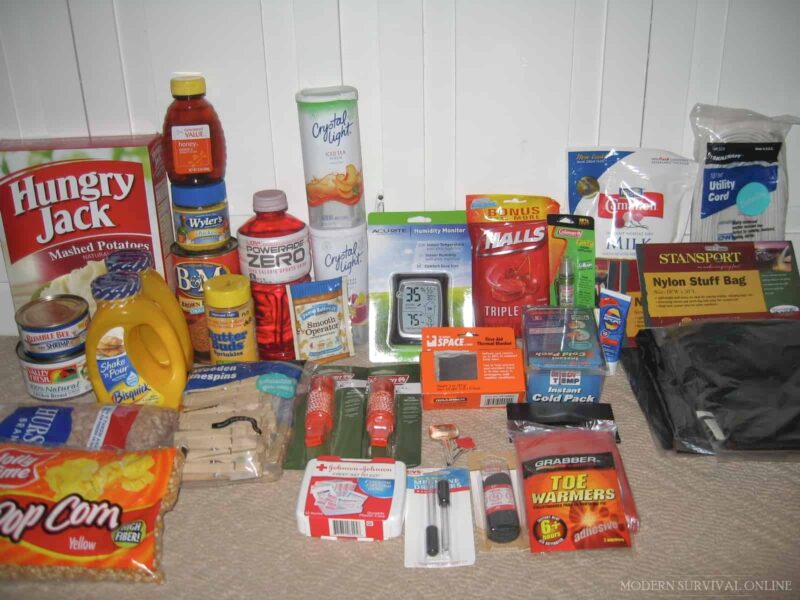
stockpiled items canned chicken breast emergency blanket toe warmers and more
Stockpiled items: canned chicken breast, emergency blanket, toe warmers, pinto beans, yellow popcorn, compass, poncho, dried milk, peanut butter, canned brown bread, honey, chicken bouillon

Being prepared really matters. Having a good stockpile really matters. Saving money really matters.

If you’re a new prepper and just beginning to build your stockpile of food and supplies, money could be an obstacle. You don’t need to run out and buy a year’s worth of groceries in one shot. Who can afford to do that anyway?

Instead, you should look into things like couponing, discounts, and building your stockpile gradually over time.

Coupons can help you save a lot of money on preps. Your couponing habits can ensure that you have enough in your stockpile to last longer than if you ran out and purchased everything all at once. Your wallet will thank you, too. All of these do take a little effort on your part, however, in the long run, it will be worth it.

In this article, we will give you information on the basics of couponing and how to get preps for almost free, what you will want in your stockpile and great websites that will show you where the coupons and the best deals are.

Basics of Couponing

Coupons should be an important part of your financial portfolio. Using coupons is a serious way to save money and build a great stockpile. And when you can get your supplies at rock-bottom prices, it’s a win-win situation.

The trick to getting your prep items for free or almost free is to match coupons with the sale prices. And if you can, match up a sale, a store coupon, and the manufacturer’s coupon for extra savings.

To get the manufacturer’s coupon, go directly to their website. For instance, if you are searching for a particular item that you saw on sale such as Skippy Peanut Butter you would google and go to their website and click on “Get Coupon.”

Yes, it sounds like it could be challenging and time-consuming, but once you get a system down, it’ll be second nature. The top items you can get free or almost free are usually toothbrushes, toothpaste, shampoo, peanut butter, soup, cereals, and toilet paper just to name a few.

Though you can’t use two manufacturer’s coupons for the same item, you can use a store coupon and a manufacturer’s coupon together on the same item. It’s even better if your store will double your coupons.

For example, when purchasing toilet paper, you can print or download a coupon for Charmin toilet paper for $1.50 off any ONE Charmin® Ultra Soft or Strong 6 Mega Roll, 12 Double Roll or larger (excludes Essentials and Cottonelle pack of toilet paper (excluding 4 pack ). It was priced at Walmart on sale for $3.98 for a 6 pack. After using the coupon, it became $2.48 before tax. You can get more than one pack, but you will also need more than one coupon.

However, the best deals are at your local grocery stores that have their own in-store specials, like buy one get one free or double coupons. Use your coupons with the in-store specials to get the best deals and you can get some of your preps almost free. Check to see if they have a store loyalty card.

For example, a store has Del Monte diced tomatoes on sale as buy one get one free. The tomatoes are normally about a dollar a can, therefore, you get two cans for a dollar. Now add in a coupon for .50 cents off. You just got two cans of diced tomatoes for .25 cents each. It’s even better if your store doubles coupons.

The best place to find coupons will be in the Sunday paper. There are three inserts that come out on a regular basis: Red Plum, Smart Source and Proctor and Gamble. Other great options are store coupons, company websites, magazines, and printable coupons from coupons.com and couponmom.com.

Don’t overlook the blinking coupon machines on the aisles in the grocery store and downloadable coupons.

Now that you know the basics of couponing, it’s time to move on to what you’ll need in that stockpile. You should not have any problem finding coupons or sales, if not both for the following list.

What you need in your stockpile

When disaster strikes, or even with news of a catastrophe on the horizon, there’s a good chance your local grocery stores and hardware stores will become stripped bare within hours.

Panicked people will attempt to stock up on last minute supplies causing the grocery store or hardware store to turn into a battle ground.

To be ready to face an emergency when food and supplies are unobtainable, you need to invest in a long-term supply of food and survival equipment.

With the guidelines from the U.S. Department of Homeland Security and by doing quite a bit of research, here is a list of foods you should stockpile (using coupons, of course) to get you through a crisis and save money.

  1. Bottled water -1 gallon per person per day plus extra for washing or adding to food.
  2. Beef jerky or turkey jerky – Dried meat is excellent for long-term storage. You can even rehydrate the jerky in soups. It will absorb the water and add flavor.
  3. Canned meat – Buy tuna, salmon, chicken, turkey and spam. Meat is the most difficult to obtain so stock up. They have a long shelf life and provide necessary protein.
  4. Powdered milk – An excellent source of vitamin D and calcium when fresh milk is not available. Good for baking.
  5. Soups – Soups and Chili can be eaten right out of the can. They have a variety of nutrients, but you will want to get low-sodium soup so as not to increase your need for water.
  6. Bullion – Good for making soup and dry bullion powder and cubes store well while taking up minimal space.
  7. Beans – Dried beans of all types are loaded with protein, fiber, and nutrients. They store extremely well for long periods of time and are easy to cook.
  8. Canned vegetables, such as green beans, carrots, and peas – can be stored and kept for a long time. They provide essential vitamins, and you can use the liquid for soup stock.
  9. Canned fruit – Provides essential vitamins and can be stored for long periods of time. Don’t throw away the packing juice as it is loaded with nutrients as well.
  10. Dried fruits – Fruit such as apricots, raisins, banana chips, and cranberries, if properly dried, can be stored for years. They provide nutrients such as potassium and fiber.
  11. Peanut butter – An awesome comfort food for most and loaded with healthy fats and proteins. A very nutritious food.
  12. Whole-wheat crackers – A good replacement for bread.
  13. Nuts and trail mixes – Another great source of protein and it stores exceptionally well.
  14. Pasta – Is a high carbohydrate food and stores extremely well not to mention filling. There are a lot of things you can do with pasta.
  15. Cereal – Get a healthy, multi-grained cereal. If packaged correctly, it will store for a long period of time.
  16. Power bars and granola bars – Another excellent source of carbohydrates that will store well for up to six months.
  17. Rice – Rice is a great source of carbohydrates and will store well. Buy the whole grain rice instead of quick rice as quick rice has a limited shelf life. Like pasta, there are a lot of things you can do with rice.
  18. Food for infants – Formula (canned or powdered), baby cereal, jarred foods.

Foods you might want to consider:

  1. Coffee – Needed if you drink coffee on a regular basis and don’t function well without it.
  2. Protein powders – Easy to store. A good substitute for some meals.
  3. Spaghetti Sauce (canned or in a jar) – A meal when served with pasta. You can add in other items.
  4. Summer sausage cured meats that are vacuum packed – Will last a long time. Eat plain or add to soups.
  5. Honey – Will store indefinitely and is a natural sweetener that is good for you.
  6. Sugar
  7. Salt – Essential for survival.
  8. Spices – To help hide the flavor of some foods.

Don’t forget about basic medications and supplies for your first aid kit. Also coupon friendly. (Check your local drugstores for coupons and sales.)

  1. Prescriptions. First and foremost, make sure you have a supply of any prescribed medicines needed by you or your family members. Keep an extra supply of your medication on hand at all times, just in case.
  2. Bandages and dressings for wounds: Gauze pads-Band-Aid strips for small cuts and scrapes, large bandages, Gauze rolls and First-aid tape – for the larger, serious wounds with profuse bleeding.
  3. Topical antibiotics (can go a long way in fighting infection): Neosporin or generic triple antibiotic, First-aid cream, Iodine.
  4. Pain relief: Aspirin, Ibuprofen, Acetaminophen, Bactine spray and Corizone-10 or generic (can provide relief for minor burns and scrapes or conditions that cause itching)
  5. Burns: Burn cream, Petroleum jelly, Non-stick antiseptic gauze.
  6. Orthopedic Relief: Knee and ankle braces, Elastic wraps, Wrist brace, Finger splints, Arm sling.
  7. Eye care: Saline solution, Eye drops, Eye salve, Eye pads, Eye patches.
  8. Respiratory Relief: Inhaler, Cough suppressant, Cough expectorant, Mucus relief tablets, Nasal spray, Throat spray, Benadryl or generic antihistamines (Sinus congestion and other signs of a cold or virus can become an issue if not treated).
  9. Gastrointestinal: Tums or Rolaids, Emetrol, Pepto-Bismol, Kaopectate, Zantac.
  10. Dental: Floss, Cotton, Oral aesthetic such as Orajel or Anbesol, Temporary cavity filling mixture, Dental wax, Dental pick.
  11. Vitamins: You have no idea how long the crisis will last.

Items also recommended by the US Department of Homeland Security:

(Check your local home supply store and drug store for sales and coupons)

  1. Batteries
  2. Battery-powered or hand-crank radio and a NOAA Weather Radio with a tone-alert
  3. Flashlights and lanterns
  4. First aid kits
  5. Whistle or blow horn to signal for help
  6. Wrench or pliers to turn off utilities (You probably already have these)
  7. Dust masks to help filter contaminated air and plastic sheeting and duct tape to shelter-in-place
  8. Moist towelettes or baby wipes, garbage bags
  9. Paper goods – toilet paper, paper towels, plates, etc.
  10. Diapers (for baby and good for using on wounds that are bleeding profusely)
  11. For disinfecting items and the living area: Iodine, Hydrogen peroxide, Bleach, White vinegar (a powerful germ-killer and disinfectant, and in an emergency, it can be used to treat skin or open wounds)
  12. Manual can opener
  13. Candles (watch for coupons and sales on air fresheners as they usually include candles)

Good Websites

Doing a quick search on the internet will result in locating coupons, and as everything is going digital these days, the coupon process of finding and using coupons has never been more streamlined.

A shopper can save by just handing a cashier their phone or customer cards and have any applicable coupons automatically deducted from their grocery bill. No browsing coupon inserts for hours and no clipping involved.

Some excellent websites are:

Couponmom. This website will show you where the item is on sale, what percentage has been discounted and if there is a coupon for the item. Click on Grocery Deals by State to find the sales at the stores in your area.

Coupon.com has printable coupons and online coupons. There are hundreds of deals on basically anything you want to buy including groceries and other prepping supplies.

RedPlum has an online version of what you find in the Sunday paper. It offers some deals and has a service called Clip free which allows you to load coupons to your store loyalty cards.

Savings.com has lots of coupon codes for both brand name and store coupons including Home Depot and Amazon.

If you have a smart phone, you need to install apps such as:

lbotta.com A great app where you earn cash back on in-store and mobile purchases with a receipt or purchase verification. You might have to watch a 1-minute video or complete a survey in some cases, but it will be worth it.

Simply upload a photo/scan barcode and your account will be credited. Once you meet the threshold you can get a PayPal deposit.

Saving Star is a good way to save money on your grocery and store purchases. They were the first fully-digital grocery eCoupon rewards service. You simply select the eCoupons you want and link them to your store loyalty cards.

Target cartwheel is also great for food and other supplies you may want in your stockpile.

Checkout51 is a lot like Ibotta but has a different set of coupons that they upload every Thursday.

RetailMeNot maintains a collection of coupon websites. It is great to use in your favorite stores such as Home Depot.

Shopkick created an app for smartphones and tablets that offer customers rewards for walking into stores. It gives you exclusive deals at great stores such as Best Buy, and Target. You can earn points just by walking into the store and get more points for purchases.

Ebates is great for the online shopper looking for a deal. You can find a coupon code for just about anything, get cashback for each store code used and then you can redeem the points. Refer a friend and you can get even more cash added to your account.

Another money-saving option to look into is a barcode scanner app. It comes in handy for purchases that you are looking at. You simply scan the barcode on the item in the store and it will tell you if it is cheaper somewhere else.

Search eBay using the word “coupons” and you will find quite a few listings of coupons that can be purchased. Make sure the coupons haven’t expired and check the history of feedback on the seller before you make any purchases.

Building a significant stockpile is key for a serious prepper. However, it can be financially demanding if you don’t do your homework.

There’s no rule that says you must have a great stockpile overnight. If you’re on a budget and can’t afford to spend a lot on food items and equipment, don’t hesitate to take small steps and gradually build your stockpile.

The best way to get the most bang for your buck is to watch the weekly sales and monitor the coupons. Check the websites for manufacturer’s coupons and additional printable coupons. Upload the barcode scanner for comparison shopping.

Try the above noted and with a little know-how, time and effort, you can have a stockpile suitable for almost any crisis. By using couponing and doing a little research, you can get the basic necessities for your stockpile for almost free.

coupons stockpile pin image

The post How to Build a Survival Stockpile With Coupons appeared first on Modern Survival Online.


via Modern Survival Online https://ift.tt/gTFPM56

Saturday, September 7, 2024

31 Pinto Beans Recipes for Survival

Pinto beans get their name from the Spanish for speckled bean, frijol pinto.

In northern Mexico and the southwest of the U.S., they are the bean most likely to be produced, and across the U.S. are served in a multitude of ways – fried, mashed, re-fried, served in soups, dips, salads, and slow cooker meals. In fact, the list is pretty endless for these nutty flavored beans.

cooking beans on stove

Every prepper knows the value of beans in a stockpile, and will have cans or dried beans stored.

If you’ve perfected a dish using pinto beans, then do leave a comment in the comment section at the end of this article. I’ve rounded up a versatile collection of recipes to give some inspiration for using your pinto beans stockpile, but would welcome your own original recipes.

Nutrition Info

A half-cup (50 g) serving of pinto beans will provide you with 667 kiljoules of energy, with 10.7g of the serving being protein.

Low in fat, high in carbohydrates, and low in sugar, they are great for people on gluten free, vegan, vegetarian, or non-dairy diets. They are not known to contain any known allergens.

Pintos are a very popular bean. The Texas A&M University System, has an Agriculture Program which issued a report that annually, pinto beans in excess of 100 million pounds are imported into Texas alone.

Stew-Type Pinto Beans Recipes

Easy Pinto Beans from Scratch (Vegetarian)

This is a good recipe to start with that gives tips on cooking pinto beans from scratch to produce a full Mexican flavored bowl of beans or five – the recipe produces five good cups.

This is a vegetarian recipe as no ham hocks or bacon were used – as is usual with traditional recipes. What the recipe does have is garlic, cumin, onion, green chilies, diced tomatoes and chipotle peppers in adobo sauce. Get the recipe here.

Easy Pinto Beans

…And this is the non-vegetarian recipe that uses ham hocks, or bacon for a rich meaty taste to the beans. Get it here.

Pinto Beans with Mexican-Style Seasonings

These slow simmered beans are redolent with flavor – and, as the cook suggests, you can make them borracho (drunk) beans with the addition of ½ can of beer.

The other half is the cook’s payment, for keeping an eye on the beans, testing the flavor and adjusting seasonings so that, like Goldilocks porridge, they are ‘just right’. This beans recipe uses bacon for extra flavor.

Pinto Beans with Ground Beef

This is a good survival recipe as you can make so many changes according to what you have in your stockpile. The basics are the pinto beans and ground beef.

It can be served with rice, corn bread, tortillas, or crusty Dutch oven baked bread – whatever you have available, or fancy. The beef can even be changed for chicken. Get the recipe.

Southern Ham and Brown Beans

A lovely, rich beans dish to be made on the stove top or over an open fire, this recipe requires pinto beans and ham hocks, a slow simmer and garlic and chili – very simple, very tasty. Get the recipe.

Beef and Pinto Bean Chili with Toasted Cornbread Crumbles

Sirloin tips or lean chuck meat is used for this recipe that requires the meat to be browned first before adding the onion and garlic, followed by the dried mushrooms, various seasonings, plenty of pinto beans and tomatoes. and let’s not forget the beer.

The best finisher ever is the toasted cornbread crumbles over the top. Get the recipe.

Best Venison Chili

This one is for the hunters who have brought home venison. Once the roasts and stews have been made use up some of the ground venison in this warming pot of deliciousness.

Made with a can of pinto beans, canned tomatoes, tomato salsa, celery and green pepper, with garlic and other seasonings. Get the recipe.

Venison stew

Another recipe for the family of a hunter who brings home a deer. Pieces of venison are fried in a coating of corn starch and seasoned with salt and pepper, before the rest of the ingredients are added for this stove top delight that is slow simmered. Get the recipe.

Slow Cooker Pinto Beans Recipes

Mexican Pintos with Cactus

What makes this recipe different is the addition of cactus leaves to the mix. The beans are done in a slow cooker which makes for an easy fuss-free recipe. This is a perfect survivalists recipe using foraged cactus with the beans from your stockpile. Get the recipe.

Southern Crock Pot Pinto Beans with Ham Hocks

The ham hocks give a delicious richness to the dish which can be served alongside fried chicken, or if you add extra ham to the pot, it can be served on its own with cornbread muffins to soak up that rich gravy.

Balance off the meal with some foraged greens or salad greens from your vegetable patch. Get the recipe.

Slow Cooker Chicken Bean Stew

Although this purports to be an African stew it is pretty similar to most pinto bean recipes – except for the addition of chicken instead of bacon or ham. The recipe also doesn’t specify exactly what type of beans, but pinto beans would give a lovely creamy taste to the dish.

A tip is that the spices seem to dissipate in strength during the long cooking process, so a top up of spices towards the end of the cooking period is suggested. Get the recipe.

Pinto Beans and Beef

The trick to creamy beans in the slow cooker is to take some out, mash them then add back to the mix and allow to slow cook some more.

This recipe’s seasonings are mild, to highlight the flavor of the beans and beef, but there is nothing to stop you adding some poblanos or jalapenos to spice it up.

This hearty dish can be served with tortilla chips, or whatever carbohydrate you have on hand. Get the recipe.

Easy Crock Pot Chili

The hamburger meat is fried first before being added to the crock pot, then it’s a question of adding in the various cans of tomato, tomato sauce, beans, and seasonings.

One can of pinto and one can of beans are called for in this recipe, but one could just use two cans of pinto beans. The recipe does call for one onion and one green pepper. Get the recipe.

Pinto Beans and Sausage

A Romanian dish traditionally served on the National Day on December 1st, is beans and sausage, but pinto beans are not the bean of choice for that particular dish.

However this particular recipe does use the pinto beans for a hearty meaty stew that can be served over rice, quinoa, mashed potato, or with cornbread. This recipe can also be done on the stove-top.

Bush’s Slow Cooker Pork and Pinto Bean Enchiladas

There is nothing like slow cooked pork for tenderness and flavor, combined with the creaminess of the pinto beans – heavenly. Get the recipe.

Pressure Cooker/ Insta-Pot Pinto Beans Recipes

Insta-Pot Pinto Beans Stew (Vegetarian, or not)

This has got to be a keeper. The recipe includes among the usual stock ingredients, poblanos – a large green pepper similar to a bell pepper in shape but a with more of a bite, yams, and a little molasses for depth of flavor. Yum! It is vegetarian but you can include chicken.

And then the little additions just before serving are what I love about Mexican food – the cilantro, sour cream, grated cheese, scallions, avocado, or fresh chilies, in whichever combination you prefer. Get the recipe.

Pinto Beans and Ground Beef Stew

No pre-soaking of the beans is needed here – the pressure cooker gets the beans ready in 15 minutes – then it’s a case of adding the ground beef, chicken stock, the seasonings and you have a great stew. You can use 2 cans of pinto beans instead of the dried beans.

This is an ideal recipe for using from the stockpile as there are no fresh vegetables called for. The majority of the ingredients are canned or dried.

Casseroles

Easy Chicken Enchiladas

Cooked chicken, beans, sour cream, corn and salsa verde plus some spices and of course cheese – mix and layer with tortillas in a pie plate, bake for 15 minutes, and tuck into a gooey cheesy, yummy meal. Get the recipe.

Turkey Bean Enchiladas

What makes this recipe different is the ground turkey meat and the use of tomatillos for flavor. Corn tortillas, a sharp cheddar cheese and cilantro make this recipe super tasty.

Unlike the chicken enchilada recipe, where the tortillas are placed in layers, these ones are softened by heating, filled and rolled then placed seam side down in the casserole dish. Get the recipe.

Layered Pinto Bean Enchilada (Vegetarian)

A layered one, this is a vegetarian recipe relying on mushroom and corn tortillas, with all the usual flavorings and seasonings, but with avocado, cilantro and lime juice to serve. Get the recipe.

Spinach and Pinto Bean Enchiladas (Vegetarian)

Another vegetarian recipe this one uses the mix of baby spinach and Cotija cheese for the flavor, combined with the special taste of smoked paprika, among the usual ingredients and seasonings. Get the recipe.

Refried Bean Enchiladas with Fresh Pico (Vegetarian)

Combining the regular pinto beans with the mashed refried beans, this recipe has a lot of seasonings, cheese and corn tortillas to make it super tasty. Get the recipe.

Skillet Beans

Rush Hour Refried Beans

Admittedly, it takes some time to produce a huge bubbling pot of perfectly seasoned beans – and this recipe is for those in a hurry, using a can of pinto beans. Heat a skillet, add some onion and garlic, and cook in bacon fat.

A can of beans is drained then added to the mix, mashed in with some cumin, salt and pepper, and whatever other spices you fancy, heated through and in a few minutes you have a plate of re-fried beans to tuck into.

You can make this over a campfire when bugging out, or when the electricity goes off using a gas or solar cooker. Get the recipe.

Korean Style Refried Beans

Pinto beans may originate in Mexico but there is no need to keep to all Mexican spices.

This easy recipe relies on Gochujang, an Asian chili paste made from rice, red chilis and wheat, with a taste that is a mix of savory, sweet and spicy. You can find it in Asian food stores. It can be substituted with Sriracha chili sauce if you find it hard to obtain.

Instead of bacon, use pork belly and cook in sesame oil and add toasted sesame seeds for the Asian flavor. Get the recipe.

Garlicky Pinto Beans

Great for survival situations, this recipe takes 15 minutes, serves four and all it needs is a couple of cans of beans, garlic, salt, olive oil, salt, pepper and oregano.

Lastly, you will need some thin sliced scallions to stir in just before serving. Done and dusted – a meal on the table. Get the recipe.

Southwestern Steak with Pinto Beans

The steak takes centre stage for this meal with the pinto beans in a supporting role. The recipe takes about 20 minutes to prepare, and while the steak is in the grill pan, the skillet can be used to sauté the bell pepper, then the salsa, seasoning, and can of beans are added.

It’s incredibly quick and easy. Get the recipe.

Chicken Chipotle Chimichangas

Of all the places to discover Chimichangas I first tried them in a Mexican restaurant in Bali, Indonesia. I was in love, and returned as often as I could persuade my fellow travelers, to enjoy these delicious bites.

Deep-fried, they are probably not the most healthy but they are sooo delicious. Perhaps try them in an air frier if you’re worried about the amount of oil used for deep frying. Get the recipe.

Mushroom Bean Burger (Vegan)

When meat is in short supply in survival situations this is a delicious recipe using onion, mushrooms and a can of pinto beans. The recipe uses egg replacer to make it vegan, but you could use egg powder or a fresh egg for a vegetarian meal.

The recipe can be made gluten-free if you avoid serving on buns, and serve instead with rice or some fresh foraged greens. Get the recipe.

Pinto Bean Beef Tacos

Make the mix in a skillet using a can of pinto beans, ground beef, and all the seasonings, then fill taco shells with the mix, add shredded lettuce and grated cheddar cheese for a quick lunch or supper that is sure to be wolfed down by a hungry family. Get the recipe.

Soups

Pressure Cooker Mexican Pinto Bean Soup

This recipe is for a spicy (or mild if you prefer), warming soup for those colder days. As the recipe creator points out this recipe works in any pressure cooker – Insta-Pot or not. Smoky bacon, a broth infused with beer, onion and green chilies form the basis for this soup. Get the recipe.

Pinto Bean Soup

This is a quick pinto bean soup recipe that takes around 20 minutes before adding your already cooked pinto beans, or canned pinto beans. Perfect when you have limited access to electricity, or are cooking over a campfire. Get the recipe.

Pinto Bean Ham Soup

Slow simmering on the stove top, or over a campfire make this a deliciously rich soup with the ham hocks giving plenty of flavor, combined with the vegetables, pinto beans and seasonings. Perfect for cold days! Get the recipe.

Salads

Pinto Beans salad with avocado and tomatoes

This is an easy meal to prepare in emergencies. It needs either fresh, frozen or canned corn kernels, teamed with a can of pinto beans. Added flavor and color comes from chopped red onion, tomato, a sprinkle of fresh cilantro and a splash of vinaigrette or olive oil.

This can either be a main course or served as a side salad. The recipe calls for avocado which would make a delicious finish to the dish but it not absolutely essential in difficult situations. Get the recipe.

Mexican Pinto Bean Salad with Jalapenos

This is a spicy and colorful salad. You can use a can of beans or homemade beans, fresh tomatoes, add green onion, green bell pepper, jalapeno and finish with a twist of lime and a good handful of chopped cilantro. A guaranteed taste explosion in your mouth. Get the recipe.

Pinto Bean Salsa Salad

Just twenty minutes and you can have this on the table to accompany a meat dish or a fish dish. You’ll need a can of pinto beans, fresh corn kernels ( a can will do if you don’t have fresh), avocado, tomato, a bell pepper, lime, cilantro, garlic and chili. Get the recipe.

Dips

Creamy Pinto Bean Dip

Made with a can of pinto beans, onion, garlic, bell pepper and seasonings, this is a great dip to serve with tortilla chips, or spread as base when building a nachos dish. Get the recipe.

Best Homemade Bean Dip Recipe

Add pico de gallo (store bought or homemade) to a can of pinto beans, onion and garlic with shredded Mexican cheese for big flavor in this dip. Get the recipe.

Pinto Bean Dip

Control the spiciness of this dip by adding more or less jalapeno. This is a real prepper recipe, relying on garlic and onion powder that can all be kept in the stockpile, as well as canned pinto beans, and canned jalapenos, plus a few other store-cupboard essentials.

It takes just 5 minutes to whip together. Get the recipe.

Desserts

Bush’s Pinto Bean Pie Recipe

Beans, vanilla, pecan nuts, sugar and eggs all go into this special pie. Who would have thought beans could be combined with sweetness. Serve with whipped cream or vanilla ice-cream. Get the recipe.

Pinto Bean Cake

We’ve all come to accept that carrots are delightful in a cake, and even zucchini, but just try this pinto bean cake redolent with the flavor of cinnamon, cloves, allspice, raisins, and pecans. Get the recipe.

Pinto Bean Pie

Served with frozen yoghurt or vanilla ice-cream, the spices in this pie are reminiscent of a pumpkin pie. Creamy, rich and sweet, the pie mixture is a rather unappetizing greige color when in the bowl, but the color deepens once you bake it. Get the recipe.

Growing the Ingredients for Pinto Bean Recipes

If you fancy growing your own pinto beans you can plant some from a packet of dried beans, and wait between 3 to 5 months for them to reach maturity as a dry bean, or if you are in a hurry you can start harvesting them as green snap beans.

They come from Mexico so do not appreciate cold, require a bit more space between the plants than other beans, but will give a great return – expect around 60 to 120 beans from each plant.

While some of the recipes collected here seem to have quite extensive lists of ingredients, it is possible for a person with a survival farm or even a balcony garden to grow many of the items used, such as cilantro, oregano, chilis, paprika, and various other seasonings – or add them as dried herbs to your stockpile.

Lime trees will grow in a large pot and can be taken into a greenhouse or indoors providing there is sufficient light during winter. Basics like onions, bell peppers, scallions, and carrots can be grown in a small vegetable patch.

pinto beans recipes Pinterest

The post 31 Pinto Beans Recipes for Survival appeared first on Modern Survival Online.


via Modern Survival Online https://ift.tt/yQbljMC

Tuesday, June 4, 2024

Top 10 Greatest Prepper Fiction Books of All Time

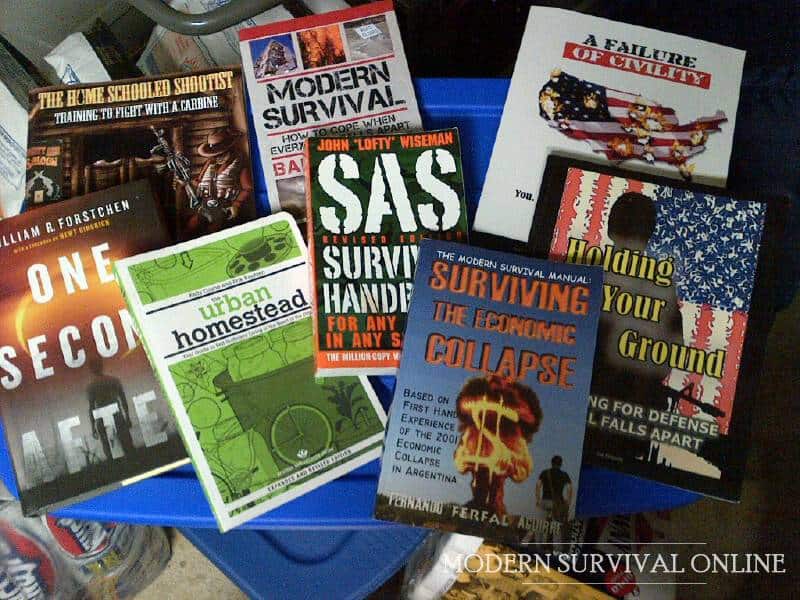
survival books

When visiting an external link on this page and then make a purchase, I may earn a commission. My full advertising disclosure is here.

If you call yourself a prepper, it means you should be a perpetual student. There’s always something more that you can learn or more skills to master…

But, of course, you don’t want your life to be nothing but work and study. It’s okay to have fun and relax, and if you are a reader, hardly anything is better than settling down with a good novel.

And here, we are lucky you can read a cracking good story and still be improving your prepper IQ with the right books.

The following 10 titles all have survival, preparation, or desperately holding out against the odds as central plot points. It might be fiction, and some of them are even fantastical, but you can still learn some very important lessons and have a good time doing so. Let’s get right into it…

Darkness on the Edge of Town, by Brian Keene

A supernatural horror thriller that focuses on the rapidly dwindling population of a small town.

One day, out of nowhere and with no warning, a dome or ring of absolute and impenetrable inky darkness surrounds a town with no signals, and no people are able to get out or in. Those brave or foolish few who chance the darkness meet horrendously terrible ends.

The terror of the situation, along with rapidly dwindling supplies, leads survivors who are stuck within the town’s borders to cooperate at first, but this quickly devolves into tribalism and bloodlust as food, water, alcohol, and cigarettes run out.

It’s a terrifying tale written in a journal style, and a harrowing look at how dire things will get in any kind of survival scenario when the food starts to run out. Get the book here.

The Dog Stars, by Peter Heller

A beautifully written tale of survival and persistence, The Dog Stars tells the story of a man, his dog, and his erstwhile friend and fellow survivor living in a fortified airport compound after a global pandemic significantly depletes the population of the United States.

There isn’t as much action as you might think, and much of the story focuses on the protagonist, Hig, just trying to get along and avoid going crazy after so much loss, while still helping those he can using a small Cessna as a conveyance.

Poetic, beautiful, and thought-provoking, this is one of my very favorite post-apocalypse novels and a must-read for any prepper. Get the book here.

Blue Dawn, by Blaine L. Pardoe

New York Times bestselling author Blaine Lee Pardoe brings us a new series that is a thoroughly modern and frightening divergence from our own current trajectory as a country here in the US.

When far-left elements successfully take over the government and conduct an ideological purge, the social issues and mores they harp and crow about suddenly become law, and many become offenses punishable by unpersoning or death.

If you’ve ever had nightmares about a complete and totalitarian leftist takeover of the government, this series will thrill and terrify you in equal measure.

Highly recommended! Get the book here.

Day by Day Armageddon, by J.L. Bourne

A zombie apocalypse thriller written during the heyday of the zombie craze, this book is nonetheless one of the best.

As alluded to by the title, Day by Day Armageddon is a journal, one written by a naval aviator who survives the onset of an ongoing trauma of a plague that turns people into frenzied and feral cannibals.

The author is a Navy veteran and knows what he is talking about when it comes to guns, gear, and tactics, and there are many points of survival and sustainment and also dealing with unknown contacts during a lockdown and shelter-in-place situation.

The problems that come up are invariably solved in a realistic, grounded way, and the story is absolutely riveting if you are into the “apocalyptic log” genre.

Another one I highly recommend! Get the book here.

The Postman, by David Brin

A classic post-apocalyptic novel, The Postman focuses on civilization, and what it constitutes, in the aftermath of a paradigm-shifting global event.

A massive war saw the use of powerful EMPs along with biological and nuclear weapons that completely devastated the United States and, presumably, much of the globe.

Protagonist Gordon Krantz takes shelter in a wrecked and abandoned post office van and takes the uniform of a postal worker after he is robbed completely blind by brigands.

Visiting various encampments pretending to be a legitimate postal worker from the restored United States, we learn about different survival strategies employed by these new proto-nations and peoples.

A bit of a slow read at times, but highly engrossing and a genuinely moving story that focuses on the humanity, good and bad, of survivors. Get the book here.

After the Shift Series, by Grace Hamilton

In this series, author Grace Hamilton shows us what a truly cataclysmic disaster might look like, one resulting from a massive upheaval and shift of the Earth’s crust. How bad are we talking? Bad enough that the North Pole is now located in the central Atlantic!

The shuttering and groaning of the very planet that we live on has caused a new, global ice age, with humanity as a whole trying desperately and often vainly to resist and live in spite of the cold.

The story focuses on a man, Nathan Trolley, along with his family, a newborn among them, as they do everything they can to find a place that is warm enough to live.

It is a grim book, as there is absolutely no end in sight to the relentless, gnawing cold that has frozen the Earth.

Still, the survival challenges that the Trolley family faces from exposure are fully consistent with both cold weather survival and a total collapse of society and the attendant loss of supply lines. Get the book here.

One Second After, by William Forstchen

One of the most talked about books in the survival fiction subgenre, William Forstchen’s darkly prophetic One Second After takes us through a scenario that’s entirely too likely to occur: that of a massive EMP strike on the United States which completely collapses electrical and information infrastructure.

The result is that the vast majority of the population is set back to the industrial or pre-industrial age. Shortages of food, medicine, water, and other supplies take hold almost immediately as people scramble to keep their communities calm, peaceful, and sane.

The story follows Professor John Matherson of Black Mountain, North Carolina, as he tries to keep his family safe but is, increasingly, relied upon by the townspeople as a leader. Get the book here.

Alas, Babylon, by Pat Frank

In this book, author Pat Frank pulls no punches and shows us exactly what it would look like if a full-scale nuclear war were to occur.

The United States is scoured by nuclear fire, erasing civilization almost entirely as tens of millions die immediately, with millions more dying off in the aftermath.

But, by luck or by virtue of simply being unimportant enough, some towns are spared direct destruction. Such is the fate of the setting of our novel, a tiny town in Florida. Its inhabitants now cling to life and band together to go on living.

This effort is noble but imperfect, and the novel showcases both the best and worst of humanity when pressed into such a desperate situation. Get the book here.

The Stand, by Stephen King

One of the most beloved novels written by world-famous horror author Stephen King, The Stand is a door-stopper of a book but arguably one of the most epic and enthralling tales of post-apocalypse survival ever put to paper.

After a test subject breaks out of a biological testing facility, a weaponized germ scours the globe and kills nearly the entirety of humanity in a matter of days.

Those few survivors that inhabit the unfathomably empty and quiet United States turn to two demagogic leaders: the kindly, peaceful, and wise but ancient Mother Abigail and the charismatic but evil Randall Flagg.

Avid King readers will no doubt recognize the antagonist, and that is a clue to the ultimate underlying plot point of the book.

Much of it is prosaic, and the horrible situations that the characters find themselves in seem to be nothing more than the consequences of governments and the ever-fallible people that populate them screwing up royally.

But as the book drags on and it reaches its climax, more and more supernatural elements start to kick in, in classic King fashion.

It is a lengthy and sometimes difficult read, but phenomenally entertaining and truly thought-provoking for preppers. Get the paperback book here.

The Road, by Cormac McCarthy

One of the greatest novels from one of the most recent and best American masters, The Road tells a very simple but poignant story.

A father, living through the loss of his wife to suicide in the aftermath of some unspecified cataclysm that has wrecked society in the US, is traveling south with his son to reach warmer weather, ahead of the encroaching winter.

With few possessions and surrounded by devastation and death on all sides, they try to hold on to what makes them human and good as the rest of society, seemingly, gives in to desperation and darker impulses.

At turns beautiful and ugly, heartwarming and shockingly violent, The Road is a must-read novel, period, and one of the very, very best pieces of fiction for preppers.

9780307387899Read it, and then really contemplate what you would do if you were placed in the same sorts of situations that the father was. I pray it never happens, but one day soon you might be, and you’ll need to be prepared. You can get the paperback here.

prepper fiction books

The post Top 10 Greatest Prepper Fiction Books of All Time appeared first on Modern Survival Online.


via Modern Survival Online https://ift.tt/nYQo8r9

Saturday, June 1, 2024

50 Prepper Items You Can Get at Dollar General

For so many preppers, the biggest part of the task is just getting all of the gear and supplies you’ll need to sustain yourself and your family in times of trouble.

stockpiled items canned chicken breast emergency blanket toe warmers and more
Stockpiled items: canned chicken breast, emergency blanket, toe warmers, pinto beans, yellow popcorn, compass, poncho, dried milk, peanut butter, canned brown bread, honey, chicken bouillon

Yes, skills count for a lot. But there is simply no replacement for having what you need on hand when disaster strikes. I’m talking about things like food, clothing, medicine, tools, and a lot more.

Naturally, budgeting for your survival stash is enough to cause considerable stress, especially when money is tight. But you can get what you need to survive and save a fortune by shopping for your preps at your local Dollar General.

The items might not be of the highest quality, but much of the time they can do the job. We’ll get straight into our list of my top picks below…

Food

Dollar Generals have food, of course, and it is usually the staples that we preppers want. All kinds of canned food like fruit, veggies, chili, stew, and the like but also dried goods like flour, cornmeal, rice, cereal, and so forth.

Water

Every prepper knows that water is essential to survival, and when things break open nothing beats having bottled water on hand.

You can usually get bottled water by the bottle, case and sometimes by the jug at your local store, but pay attention to the quality of the container. The cheapest, flimsiest ones will start to leak in storage so watch out for that. My local DG has 1-gallon jugs for just a $1.50

Candy

Candy might not seem like an essential survival item, but you’d be surprised at the good it can do for morale.

Having something to crunch or suck on (no jokes) helps people and especially kids stay calm, and sugar can give you a little bit of energy over time. Plus, it’s a little touch of normality during a stressful situation and that is always worthwhile…

Beef Jerky

Can you even call yourself a prepper if you don’t have a stash of beef jerky on hand? This stuff has gotten horrifically expensive in recent years, and it’s going to be spendy at Dollar General, too, but it is still a good option for fitting out your field rations and stored snacks. 2.6 ounces is $4.75 for Bridgeford brand.

Nuts

Nuts, like beef jerky, are a great survival ration. They’re highly nutritious, calorie-dense, and contain a good bit of protein that is always needed in long-term survival scenarios.

Plus, nuts store really well, so you’d be smart to stock up whenever and however you can. Your local store might not have a great selection, but they will have some.

Plates + Silverware

Having disposable mess kits to eat off of will simplify hygiene requirements, and also keep you from wasting water to do dishes.

Basic paper or Styrofoam plates are generally adequate, as is plastic silverware. A couple of large packs of each should be sufficient to get you through all but the longest situations. $2.65 will get you 15 heavy-duty plates, anda buck will get you a 48-pack of assorted utensils.

Ziploc Bags

Ziploc bags are really a prepper’s best friend, specifically the large gallon freezer size. For holding dirty gear, spare water, and countless other tasks, they rock.

Get a good name brand at your local store if you can, but if you can’t then be careful with them because they probably won’t hold water without leaking a little bit. $5.00 will get you 14 gallon Ziploc-brand bags at DG.

Trashbags

Trash bags are another survival commodity, especially when bugging in and your toilet or sewer system is out of action. You’ll still need to get rid of trash, contaminated clothing, and even human waste, and that’s where a big roll of these will be worth their weight in gold. About $6.00 a roll.

Hand Tools

Most Dollar Generals these days carry a wide array of hand tools, including things like hammers, ratchet sets, screwdrivers, and so on. The quality is often low, but they can still get the job done for light duty and impromptu repairs.

Scissors

You’ll always need scissors. For cutting and modifying clothing, plastic sheeting, and countless other tasks, they come in handy. Try to get a general-purpose set or kitchen shears if they are in stock. Avoid the little blunt school scissors entirely. A small, sharp pair of barber scissors is also a good pickup.

Duct Tape

You know it, you love it. You’ve got to have duct tape because it is too useful to go without. You can improvise tools and hasty solutions to problems, conduct repairs, stop windows from breaking, and seal up structures against the intrusion of gas or smoke.

It has literally dozens and dozens of other uses besides, and I can’t go into it all here! Just get it. They carry Gorilla brand, my personal favorite, for about $6.00 a roll.

Super Glue

Super glue is a contemporary of duct tape for preppers. It can bond all kinds of materials instantly with no fuss and no muss, and even has additional uses for basic first aid.

I really love getting super glue at the Dollar General particularly because it typically comes in a multipack of single-use pipettes. Just a buck.

Pencils + Pens

Sounds boring, and it is, but pencils and pens always come in handy during survival situations. Power for devices will be at a premium, and as electronic communications shut down, remembering things and leaving notes in analog form becomes more important.

Notepads

You’ll use notepads with your pens and pencils above. Get a half dozen and stash them.

Lighters

The ability to start a fire is an essential survival capability. You can use it for warmth, light, cooking, signaling, and more.

I know many preppers think of primitive fire-starting methods and things like flint and steel in the context of survival, but you’re always better off trying a lighter first.

Matches

Matches are another great thing to have in abundance as a fire-starting tool, and they offer backup capabilities to lighters or vice versa.

Sometimes you might not be able to get your lighter going, and in that case, matches might save the day. Remember to keep them dry at all times!

Petroleum Jelly

Petroleum jelly is another fantastic prep that beginners might raise an eyebrow at. But it has many uses!

It has utility as something that can help with injuries and soreness, help you in the garage and around the home, and also be used to make excellent fire starters in conjunction with cotton balls, the next item on our list. A pot runs about $3.25.

Cotton Balls

We want cotton balls because they can be soaked in petroleum jelly and then stored in an airtight bag or other container as truly effective and reliable fire starters made for pennies. But you can also use cotton balls for other things, so they’re good to have around.

Snap Lights

Snap lights, also known as chem lights, are those little glowing green tubes you usually see coming out around Halloween or at raves.

These are heatless and utterly safe sources of light that are great when other light sources are not practical or totally unavailable. They work superbly for signaling at night and also keeping up with people in the dark. Usually a buck each when they are in stock.

Candles

The utility of candles should be obvious. Just make sure you take proper fire precautions when using them! 5-inch unscented pillar candles are only around $2.00.

Flashlights

Flashlights can be a lifeline in a disaster situation. There are so many scenarios that will result in a total loss of power, and having the portable reliability and safety of a flashlight is important. The ones you get at Dollar General might not be very impressive, but they will light your way. $1.00 to $10.00.

Batteries

Your flashlights will need batteries, and other devices you have besides. Make sure you’ve got a bunch. Duracell AA’s go for about $6.50

Steel Wool

Steel wool is handy for various cleaning tasks and another way to start a fire in conjunction with a 9-volt battery. Simply touch a tube of rolled steel wool to either terminal, and the middle will glow hot in a few seconds.

Gloves, Cloth or Leather.

You’ll have plenty of cause to protect your hands after most disasters. Get several sets of basic cotton work gloves for you and your family. Around $4.00 for coated cloth, $10.00 for leather.

Gloves, Nitrile

Nitrile gloves come in really handy for dealing with all sorts of nasty substances, from chemicals to blood and other body secretions. Get several packages and place them in your medical kit or elsewhere as needed. $8.00 for a 40-count.

Socks

Super simple. Dry, clean socks are imperative for preventing blisters and other foot ailments that can stop you in your tracks if you’re forced to hoof it. Even if you are bugging in, having clean socks to change into is great for your state of mind.

Hats

A head covering of your choice. A wide-brimmed gardening hat will keep the sun off your face and neck, and even a ball cap is better than nothing. Toboggans or toques are great to have in cold climates or in the winter.

Bandanas

Bandanas are one of my very favorite multi-purpose survival tools. They work as a head covering, masks, bundles, padding, and so much more. Dollar General versions are cheap and rough but do the job. $3.50 for two.

Blankets

Extra blankets are always a great thing to have on hand and for various reasons. Again, you’re probably going to get something that’s thin and flimsy or sturdy but scratchy at Dollar General ,but frim time to time they will have pretty nice ones, and cheap.

Hand Warmers

Hand warmers might seem like a luxury item but don’t underestimate their importance if you are forced to endure truly cold weather.

When your hands start to go numb, or even non-functional, from cold, your life will soon be in danger because you can’t do the things you need to do to survive.

Shoe Repair Kits

Taking care of your footwear is just another part of taking care of your feet. A basic shoe repair kit will help you deal with a blown-out sole or busted laces.

Sewing Kits

Similarly, keeping your clothing, packs, and other gear in good repair might make the difference between survival and death, at the very least between relative comfort and total misery. Obviously, to use this you’ll need to know how to sew. A nice one is just $5.00.

Sunglasses

Protecting your eyes from constant UV bombardment will prevent strain in the short term and damage in the long term. And even cheap sunglasses offer basic protection from dust and some flying debris or windblown particles.

Rain Ponchos

Another one of my Dollar General favorites. These cheap, packable rain ponchos or rain slickers can help keep you dry when it is pouring outside, and it rarely fails that when you are driven out of your home it will soon start to rain. Between $1.00 and $6.00 at most stores.

Planters

You can get basic planters at the Dollar General very cheaply. Something that won’t help you in the short term, but in a long-term survival scenario can help you start to bring in beneficial plants.

Seeds

In the springtime especially, many Dollar Generals will stock a surprising variety of seeds…

The seeds are usually of unknown provenance, but all the ones I planted reliably grew and were exactly what the package said they would be. Grab yourself some veggies and medicinal herbs if they have them.

Buckets

Another seemingly benign item, but real preppers know this is an All-Star pick. Buckets are perfect for storing extra water, storing food, using as an improvised stool or in a severe pinch, using as an expedient toilet. About $5.00 for a good size.

If you can get the large painter buckets cheaply, make sure you get lids with them.

Contact Cases

If you or anyone else in your family uses contact lenses, it’s smart to have a few spare cases on hand in case their primaries go missing.

Reading Glasses

Reading glasses aren’t a substitute for prescription glasses, but they might make the difference if a prescription pair goes missing or gets damaged. Even if you don’t need corrective eyewear, they can still help if you’re trying to read small print in less than ideal light.

OTC Meds

Dollar Generals carry all sorts of over-the-counter medicines, including things for pain, nausea, indigestion, diarrhea, and a whole lot more. Stock up and keep them rotated! Most small-count meds go for anywhere from $1.50 to $6.00 a pack.

Adhesive Bandages

Adhesive bandages in most common sizes can usually be found at your local Dollar General. Often they are not quite as effective, meaning sticky and durable, as the better brands you’ll find in other places, but they certainly work, and they are sterile.Most brands retail and DG for about $5.00

Gauze Pads and Rolled Gauze

Sometimes band-aids just don’t cut it, and for more significant injuries or larger boo-boos, you’ll need to break out gauze of one kind or another. I recommend getting a variety of gauze pad sizes and also a good quantity of rolled gauze if it is available.

Ace Wrap

Ace wrap, sometimes called vet wrap, is that tan stretchy stuff that your high school coach used to help deal with sprains, strains, and all sorts of other musculoskeletal injuries. Skilled users can treat everything from a bad sprain to a dislocation and even a broken bone with the stuff. Around $4.00.

Face Mask

Face masks are good to have in case you’re dealing with a significant disease outbreak or certain airborne contaminants. Not that anything like that would ever happen, of course…

Joint Supports

If you’re getting a little bit older or simply dealing with old injuries to your elbows or knees, the appropriate braces can make life a little more tolerable, especially if you’re forced to be a lot more active in the aftermath of a disaster.

Blister Relief Kit

Remember what I said about taking care of your feet up above? That means dealing with blisters.

Minor blisters are an annoyance when you are forced to be on your feet, and if left untreated they can turn genuinely agonizing and eventually crippling. Treating any blister properly is priority one in a survival situation. An adhesive kit or moleskin patch is about $5.00

Bug Bite/Sting Kit

They are rarely anything more than an annoyance or minor injury, but getting lit up by biting or stinging insects is enough to drive you mad under the circumstances. A bug bite or bug sting kit and appropriate topicals will help keep you and your family sane.

Toothbrushes and Toothpaste

Dealing with a crisis is no excuse to stop taking care of yourself assuming you have the time and opportunity to do so. Taking care of your teeth will help you feel better and also help the people around you feel better, if you know what I mean. Both might cost as little as $2.00.

Feminine Hygiene Items

Life goes on no matter how bad the situation is, that means if you are a woman or have women in your lives they need supplies to deal with that inevitable time of the month.

Even if you don’t need these things, I recommend you get at least a small stash anyway to hand out to people in need.

Sunblock

You aren’t going on vacation, but you might yet be forced to endure a long time in the sun. Severe sunburns are show stoppers, so try and prevent that with sunblock. $5.00 to $8.00.

dollar general prepper items

The post 50 Prepper Items You Can Get at Dollar General appeared first on Modern Survival Online.


via Modern Survival Online https://ift.tt/P1B2x8d