Have you ever considered what makes a necessity a necessity? By a strict definition it’s things you have to have to survive; air, food, water, shelter. That’s probably the best way to define it, but I also like to include things that you simply cannot imagine going on without. And no, I’m not talking about things like your favorite soft drink.
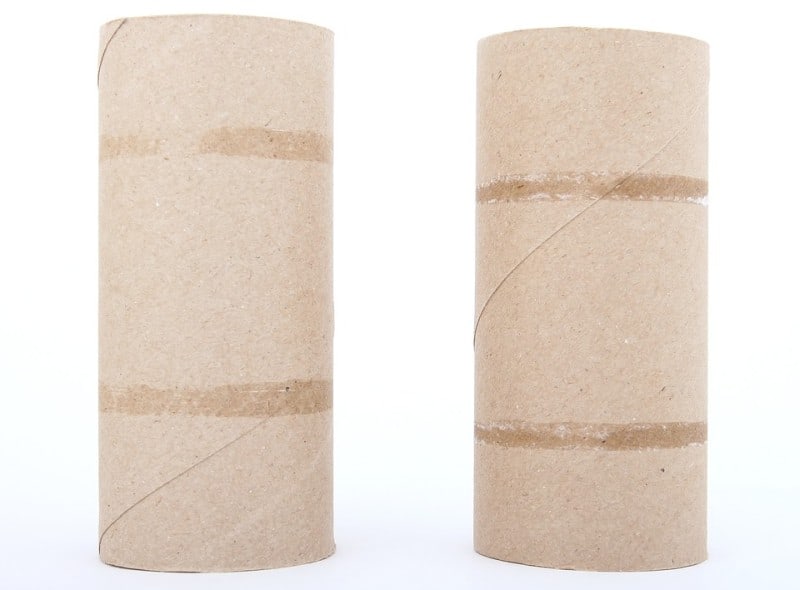
How about something like toilet paper? I mean, you don’t have to have it to live, do you? Not really, but going without it is the stuff of nightmares.
Instead of getting into a big philosophical debate about whether or not it is necessary, I believe it is practical to plan for the time when you run out of it. If a survival scenario goes on long enough, it will certainly happen!
To put your mind at ease, I’m bringing you a list of the 15 best post-collapse toilet paper alternatives. We’ll get straight into the list below.
Baby Wipes
The first, best and most obvious toilet paper alternative. In fact, it works better than toilet paper! It stands to reason that some people might forget these exist if there is another stampede on toilet paper supplies, and in any case you should remember you have them when nature calls and you don’t have a roll to spare.
Many preppers keep lots of baby wipes on hand specifically for hygiene purposes, namely bathing, in grid-down or off-grid scenarios. So if you need to get properly clean after doing your business, don’t hesitate to reach for these.
Tissues
This is another obvious TP alternative that most of us have had to use at least once before. In truth, tissues are basically TP: this stuff is so light, soft, fluffy and ephemeral that it basically dissolves on contact with water.
For cleaning up your backside or undercarriage, you’ll need to use several folded over so you don’t risk a blowout.
Gather up any spare boxes and portable packets from around your house and inside purses, cars and other locations to use as emergency TP when you run out.
Paper Towels
Paper towels, of all kinds, make for a good TP substitute. Even the cheapest paper towels are considerably stronger than toilet paper, and this can make them a good sanitary option since there’s less risk of accident when you are wiping.
However, there is a downside to them: even the softest paper towels are considerably rougher than the roughest, cheapest cutthroat office building toilet paper.
Continued use can cause chafing and irritation. A good solution: blue, automotive shop towels. Counterintuitively, they are much smoother and softer.
Feminine Pads
Hey, sometimes needs must and if you are a savvy prepper you’ll have plenty of these on hand whether you or someone in your family needs them or not. You’ll always run into people that do, and they make for great trade fodder or will just make you look like a hero to the lady who needs one.
Soft, sterile, sturdy and sanitary, they make a dependably good but awkward TP replacement. Consider cutting into halves or thirds for ease of use, and do yourself another favor by snipping off any plastic or velcro straps that might be present.
Water Rinse
Water alone can do a great job of cleaning up after you go number one or number two. There’s a reason, after all, that bidets are increasingly popular. Some folks recommend hopping into the shower if you can, to clean your backside and that’s certainly viable, though this adds the additional necessary chore of having to clean up the shower once you are done.
A more practical method is to use a pot, bottle or some other device to pour water over your bum. This, as you might imagine, is logistically challenging for most people and especially those who have reduced mobility or are overweight. Nonetheless, this can be one of the most sanitary and sustainable solutions. Practice makes perfect!
Coffee Filters
One of my favorite improvised TP alternatives and one that I have used with great success in the past. Coffee filters have a just-right combination of strength, sturdiness and form factor.
Grab one, fold it in half and you can get two or three good wipes out of it before you need to discard. Depending on the style and brand, you may only need to use one coffee filter at a time!
Newspaper
Sometimes it’s seen as the mark of the truly desperate, or an irrepressible cheapskate, but newspaper is still a pretty good alternative to your usual TP. But ask any urban scavenger and they will tell you: the trick to getting good results is in how you prep it.
Rules: avoid the glossy photographs and don’t fold the paper straight away. Instead, stick to black and white print only, scrunch it up repeatedly to soften it, then smooth it out and fold it into a convenient shape before you wipe.
Magazine Paper
This works similarly to newspaper, just not as well. The vast majority of print magazines have semi-gloss or glossy paper. It’s heavier and slippery compared to newspaper, and accordingly it can be tougher to get clean when wiping with it.
But it can work and it’s still a more sanitary option than using your hand. Use the same procedures that you would with newspaper: try to find a page that is mostly devoid of extra glossy, colorful ink and crumple the hell out of it before you smooth it out, fold it and then wipe.
Book Pages (Cheap Paperbacks)
Here’s a method from way back! When cheap mass-market paperbacks have been read by the whole family, you might demote them to “outhouse” duty: you can just tear off pages as you need them, convenient, easy and perfectly sized.
This paper tends to be rough but surprisingly absorbent and tough. Honestly, I like using this method better than newspaper, but I hate the idea of tearing up books, even terrible crappy ones – no pun intended! Okay, a little intended…
Rags
This is the main wiping method for eco-conscious homesteaders and preppers everywhere, and was a standard in the US for a long time. Rags can be used repeatedly, sanitized and washed so they can be used again and again.
The downside is that this makes for some stinky laundry duty that must be handled properly to avoid contaminating washing machines or other laundry equipment. The good news is that rags will last for a very long time if properly cared for. Obviously, softer, smoother fabrics are nicer.
Old Clothing
If you really get in a jam, don’t hesitate to cut up old clothing for use in the bathroom or the latrine. Great candidates are tightly knit, thin and smooth items like bandanas, t-shirts, socks and so forth, but you can get by with using thin denim and even corduroy.
If you have a good supply of clothing, just throw the individual swatches away or burn them when you are done. More on that a little later.
Cardboard
I can see some of you shaking your heads out there. Bear with me here: in dire times, cardboard can work, but like with newspaper and magazine paper, knowing how to prep and handle it makes all the difference.
For starters, you want to find thin, plain brown cardboard and remove any stickers or tape from it. Peel the cardboard apart so you have two layers and use the individual layers to wipe with, crumpling and smoothing it repeatedly to soften it.
Folded Grass
Don’t discount bushcraft methods for wiping, even if you are bugging in. Long grass, carefully plucked and folded into a sort of paddle shape, can be used effectively.
Obviously, there are some major considerations: never use any grass that has sharp or prickly edges, and you’d better make really sure that the grass isn’t irritating or that it hasn’t been treated with any herbicides or pesticides.
Corn Husks
A much better option than grass, and one that will be accessible for anyone living in farm country. Corn husks have a ridged texture that cleans really well and they are quite tough as long as they aren’t too old and dry that they crumble to the touch.
Take a few minutes to remove any lingering strings from the husks and you are ready to go. This is also a great option because it’s biodegradable.
Speaking of which, there are a ton of other plants you can use for the purpose, such as mullein, lamb’s ear, or thimbleberry. Full list here.
Flat Rocks
Flat, smooth stones make a pretty good wiping and cleaning tool, but they are let down by the fact that without some nearby running water you won’t be able to quickly clean them off to use them again without making a bigger mess of things.
Even so, a small supply collected for the purpose can get the job done on a short-term basis.
Don’t Flush Any of This Stuff!
Just in case you were under any delusions, you shouldn’t flush any of the TP alternatives I talked about on this list, except tissues. And no, baby wipes aren’t flushable, even the ones that say they are: it’s a huge industry scandal and it’s been proven over and over again that these things do not break down and will absolutely destroy septic tanks and sewer systems.
Consider that your fellow citizens, if you’re on a sewer system, will likely be flushing non-standard stuff down the toilet too; you don’t want to cause a different kind of apocalypse!

The post 15 Toilet Paper Alternatives to Stay Clean Post-Collapse appeared first on Modern Survival Online.
via Modern Survival Online https://ift.tt/PNRhMv2


